%2520(350%2520x%2520150%2520px)%2520(90%2520x%252040%2520px)%2520(4).png%3Falt%3Dmedia%26token%3Dbed5580f-de12-4061-ac20-36c16b313f14&w=384&q=75)
Platelets Explained: Low vs High, Optimal Range & At-Home Testing in Dubai

What Are Platelets?
Platelets — formally called thrombocytes — are tiny, disc-shaped cell fragments produced in the bone marrow from large cells known as megakaryocytes. Unlike red or white blood cells, platelets have no nucleus, yet they perform a remarkably important job: when a blood vessel is damaged, platelets rush to the site, clump together, and form a temporary plug that stops bleeding. They then work alongside clotting proteins (the coagulation cascade) to seal the wound more permanently.
What is less widely appreciated is that platelets are also active participants in the body's inflammatory response. They release signalling molecules, interact with immune cells, and play a role in wound healing and tissue repair. This means that an abnormal platelet count — in either direction — can reflect not just a bleeding risk, but also an underlying inflammatory or nutritional issue worth investigating.
Platelet count is routinely measured as part of a Full Blood Count (FBC), one of the most common and informative blood panels in clinical practice. In the UAE, it is frequently ordered as a baseline health screen, before elective surgery, or when a doctor wants to assess general haematological health.
Understanding the Reference Range
Platelet count is expressed as the number of platelets per microlitre (µL) of blood, or equivalently as ×10⁹ per litre. Most laboratory reference ranges in the UAE sit somewhere between 150,000 and 400,000 platelets per µL (150–400 ×10⁹/L), though exact cut-offs can vary slightly between laboratories depending on their analysers and population data.
It is important to understand what a "reference range" actually means. These ranges are typically derived from a large pool of apparently healthy people; they capture the middle 95% of results. Being inside the range does not automatically mean your count is optimal for you personally, and a result close to either boundary deserves more attention than a result sitting comfortably in the middle. Context — your symptoms, lifestyle, other blood markers, and trend over time — matters enormously.
What Low Platelets May Mean
A platelet count below 150,000/µL is termed thrombocytopenia. Mild reductions are not uncommon and do not always indicate serious disease, but they do warrant follow-up. A single low result should generally be repeated before drawing conclusions, as factors such as a clotted or agitated sample (known as pseudothrombocytopenia) can produce falsely low readings.
Common and clinically relevant causes include:
- Viral infections — Dengue fever, a concern in some parts of the region due to travel exposure, is well known for causing a sharp, temporary fall in platelets.
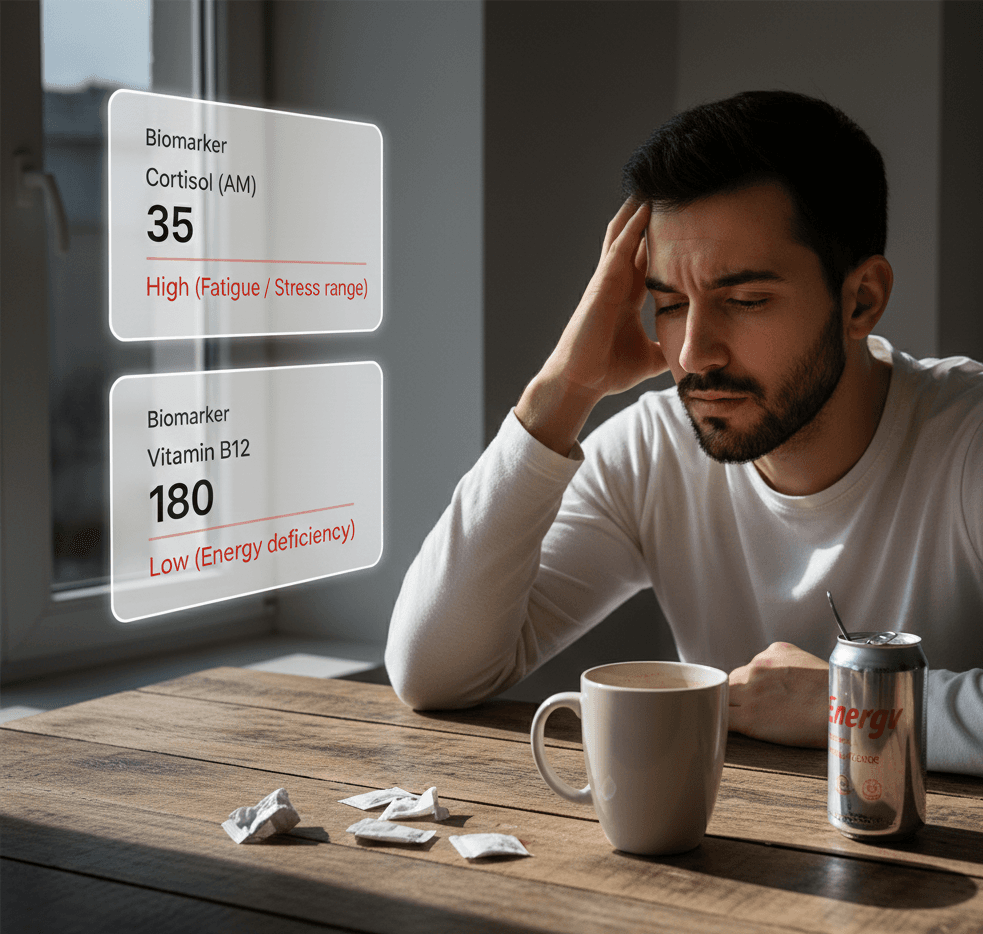
- Nutritional deficiencies — Low levels of vitamin B12, folate, or iron can impair bone marrow production of platelets.
- Liver disease — The liver produces thrombopoietin, the hormone that stimulates platelet production. Reduced liver function can lower platelet counts.
- Autoimmune conditions — In immune thrombocytopenic purpura (ITP), the immune system mistakenly attacks and destroys platelets.
- Certain medications — Some antibiotics, anticoagulants, and other drugs can suppress platelet production or trigger immune-mediated destruction.
- Bone marrow disorders — Less commonly, conditions affecting the marrow itself can reduce output of all blood cells.
Symptoms of significantly low platelets can include easy bruising, prolonged bleeding from minor cuts, petechiae (tiny red or purple spots on the skin), or unusual bleeding from the gums or nose. If you experience any of these alongside a low platelet reading, consult a licensed doctor promptly. If you have severe or uncontrolled bleeding, call 999 immediately.
What High Platelets May Mean
A count above 400,000/µL is called thrombocytosis. The vast majority of elevated platelet counts are reactive — meaning the bone marrow is producing extra platelets in response to something else happening in the body — rather than a primary bone marrow problem.
Common triggers of reactive thrombocytosis include:
- Iron deficiency anaemia — One of the most frequent causes, particularly in women of reproductive age. The bone marrow upregulates platelet production when iron stores are depleted.
- Acute or chronic inflammation — Infections, inflammatory bowel conditions, rheumatoid arthritis, and other inflammatory states can push platelet counts higher because platelets are acute-phase responders.
- Post-surgical recovery or tissue injury — A transient spike is normal after surgery or significant physical trauma.
- Splenectomy — Removal of the spleen, which normally sequesters and removes old platelets, reliably raises platelet counts.
Less commonly, persistently high platelet counts — particularly those well above 600,000/µL — may point to a primary bone marrow condition such as essential thrombocythaemia (ET), a type of myeloproliferative disorder. This requires specialist haematological investigation and should not be assumed from a single elevated result alone.
Reactive thrombocytosis generally does not significantly increase clotting risk on its own, but very high counts in the context of a bone marrow disorder may. A doctor's review is always advisable when platelets are persistently elevated.
What an Optimal Platelet Count Looks Like
While the laboratory reference range spans 150,000–400,000/µL, many clinicians consider a count in the mid-range — roughly 200,000–350,000/µL — to be the most reassuring, all other things being equal. Stability is also meaningful: a count that remains consistent across multiple tests over time is generally more informative than any single reading.
Beyond the count itself, some full blood count reports also include Mean Platelet Volume (MPV), which reflects the average size of platelets. Larger platelets are often younger and more metabolically active. MPV can provide an additional layer of context when interpreting count results, particularly in borderline cases.
Platelets in the UAE Context
In Dubai and across the UAE, a few local factors make platelet monitoring particularly relevant. The region's year-round heat means dehydration is common, which can subtly concentrate blood components and affect readings. Iron deficiency — a driver of high platelets — is prevalent, particularly among women. Dengue-related travel risk is real for those frequently visiting South or South-East Asia. And because the UAE population is highly diverse, reference ranges from different ethnic backgrounds may apply. Regular monitoring as part of a broader health panel can help establish your personal baseline, which is ultimately more useful than comparing a single result to a population average.
How to Test Platelets at Home in Dubai
Platelet count is measured from a standard venous blood sample — the same draw used for most routine blood panels. There is no special fasting requirement for platelets specifically, though if your test is part of a broader panel that includes fasting markers such as glucose or lipids, an 8–12 hour fast will be needed. Your booking confirmation from xlr8well will include exact preparation instructions tailored to your chosen panel.
xlr8well offers at-home blood collection in Dubai, where a DHA-licensed nurse visits your home, workplace, or hotel at a time that suits you. Your sample is processed by an accredited laboratory, and results appear in your private xlr8well dashboard within 24–48 hours, with flagged values explained in plain language. Most clients include platelet count within a broader panel — you can explore the at-home blood testing menu or build a custom test with exactly the markers you want.
If your results show values outside the optimal range, a doctor review call can be added to any test, and the xlr8well team flags anything noteworthy automatically so that nothing is missed.