%2520(350%2520x%2520150%2520px)%2520(90%2520x%252040%2520px)%2520(4).png%3Falt%3Dmedia%26token%3Dbed5580f-de12-4061-ac20-36c16b313f14&w=384&q=75)
Generalisation: Why Skills Must Leave the Therapy Room
TL;DR: A skill that only appears with one therapist, in one room, with one set of cards has not been learned — it has been localised. Generalisation is the deliberate engineering of skills across people, places and materials so that a child can use what they have learned in the real world, not just in a session.
The Idea, Properly Explained
In Applied Behaviour Analysis (ABA) and broader developmental therapy, generalisation refers to the ability to use a learned skill across different people, environments, materials, and time. It is not a bonus feature or a finishing touch — it is the defining criterion for whether a skill has truly been acquired.
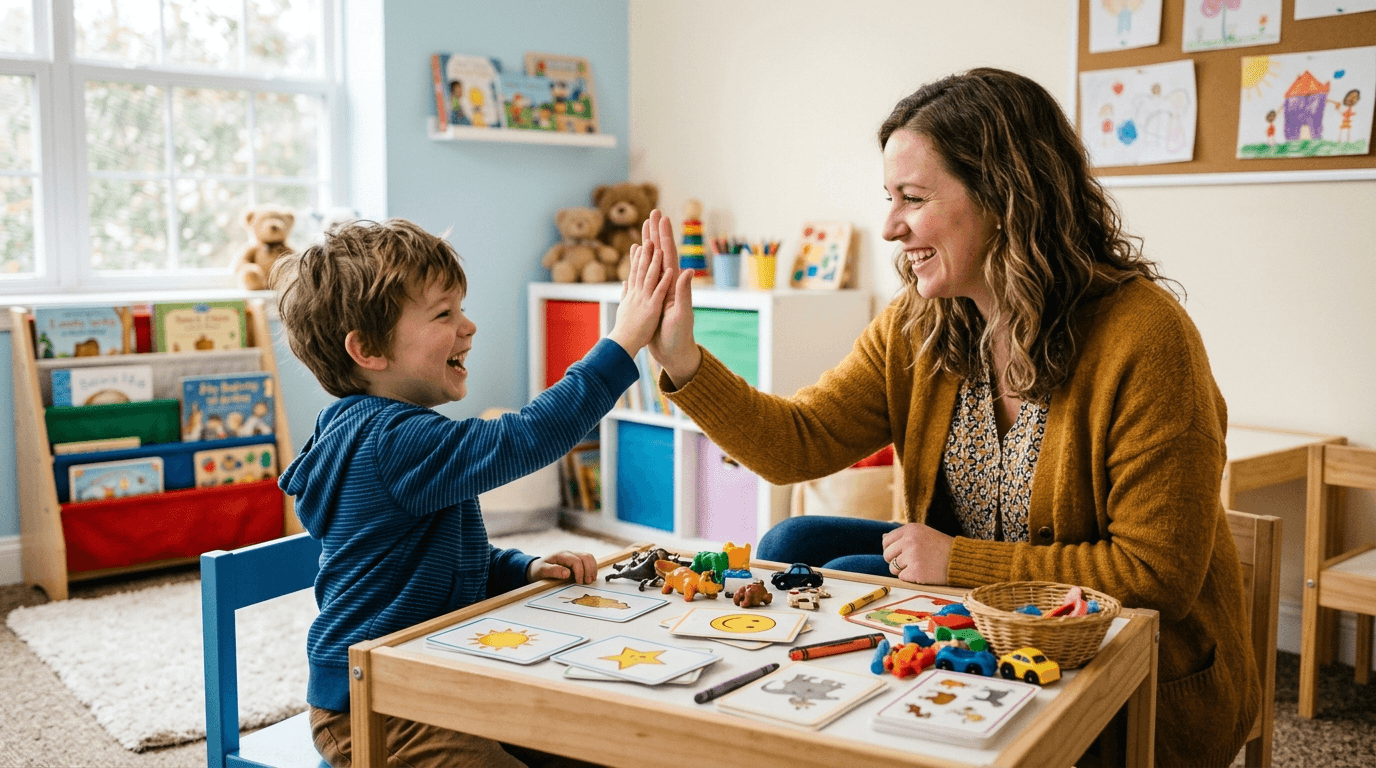
Consider a child who has learned to label the word "apple" using a single flashcard with their therapist. That is a promising start, but it is not yet a functional skill. Can the child identify a real apple in the fruit bowl? A drawn apple in a storybook? Can they respond to the question "What is this?" from a parent, a teacher, or a grandparent? Until the answer to these questions is yes, the skill remains fragile and context-dependent.
Behaviour analysts often describe this as the difference between acquisition and functional use. Acquisition means the child can perform a behaviour under specific controlled conditions. Functional use means the behaviour is available to the child wherever and whenever it is relevant — which is, ultimately, the goal of all therapeutic intervention.
Why Generalisation Does Not Happen Automatically
For many children on the autism spectrum, generalisation does not occur naturally or spontaneously. One hallmark of autism is a tendency towards stimulus overselectivity — attending to a narrow or specific feature of a situation rather than the broader concept. This means a child may have learned to respond to one therapist's specific tone of voice, one particular set of picture cards, or one room layout. When any of these variables change, the skill may appear to disappear entirely, which can be confusing and discouraging for families.
This is not a failure of the child. It is a teaching and programming challenge — and one that well-designed ABA programmes address systematically from the outset.
How Generalisation Is Deliberately Programmed
Experienced behaviour analysts do not wait for generalisation to happen on its own. They engineer it by varying the conditions of practice in structured, planned ways. This typically involves several overlapping strategies:
Teaching Across Multiple People
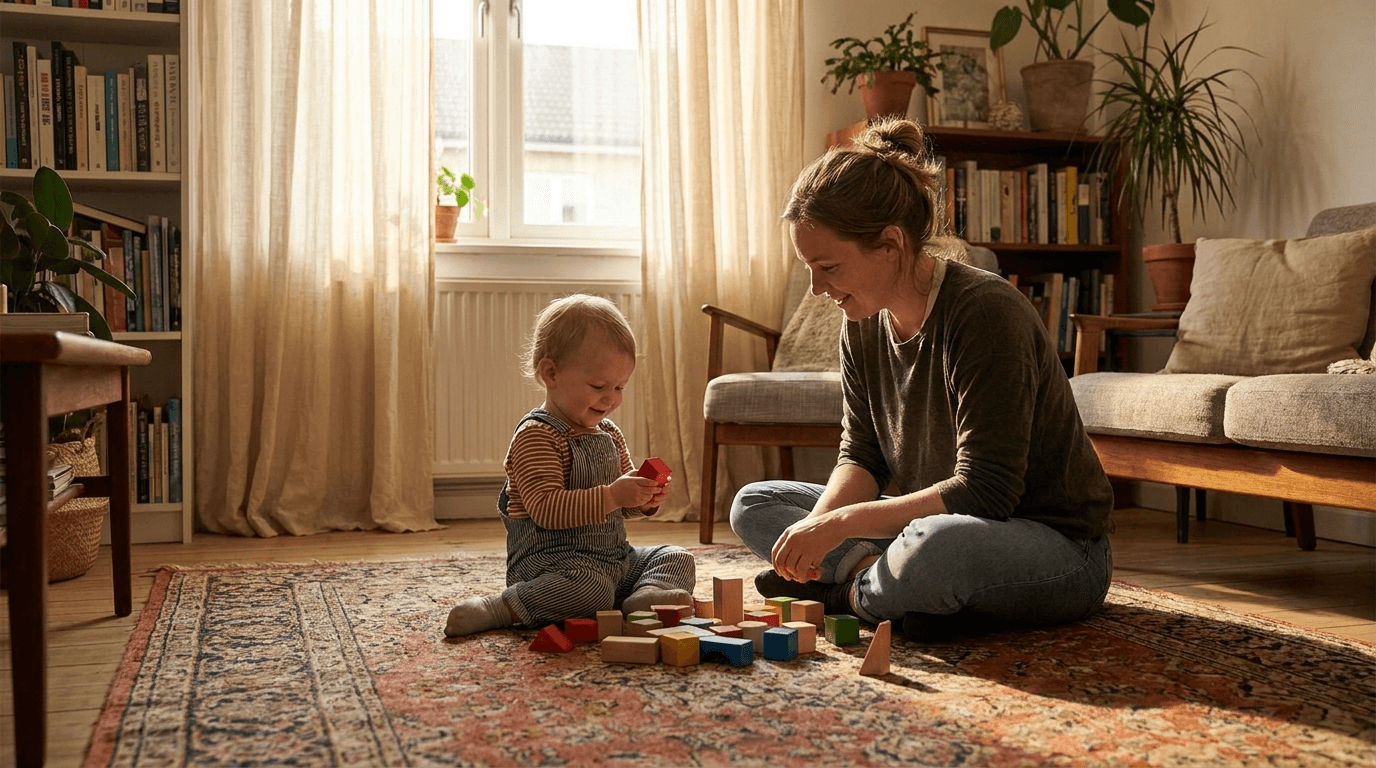
Skills are introduced and practised with more than one instructor from early in the programme. As a skill develops, it is deliberately transferred to parents, siblings, classroom teachers, and other familiar adults. The goal is for the child's behaviour to come under the control of the natural environment — meaning it responds to the people and cues present in everyday life, not just to a specific therapist.
Varying Settings and Environments
Practice is moved deliberately from a structured therapy table to the kitchen, the garden, the car, the playground, and eventually school. Each new setting introduces subtle differences — in lighting, noise, furniture, and social context — that help the child develop a flexible, robust response rather than one tied to a single location.
Using Varied Materials and Examples
Rather than drilling with the same flashcard or object, therapists use multiple exemplars: different shapes, colours, sizes, and formats of the same concept. Teaching "ball" means using a football, a tennis ball, a beach ball, and a picture of a ball in a book. This range helps the child extract the underlying concept rather than memorise a single instance.
Natural Environment Teaching (NET)
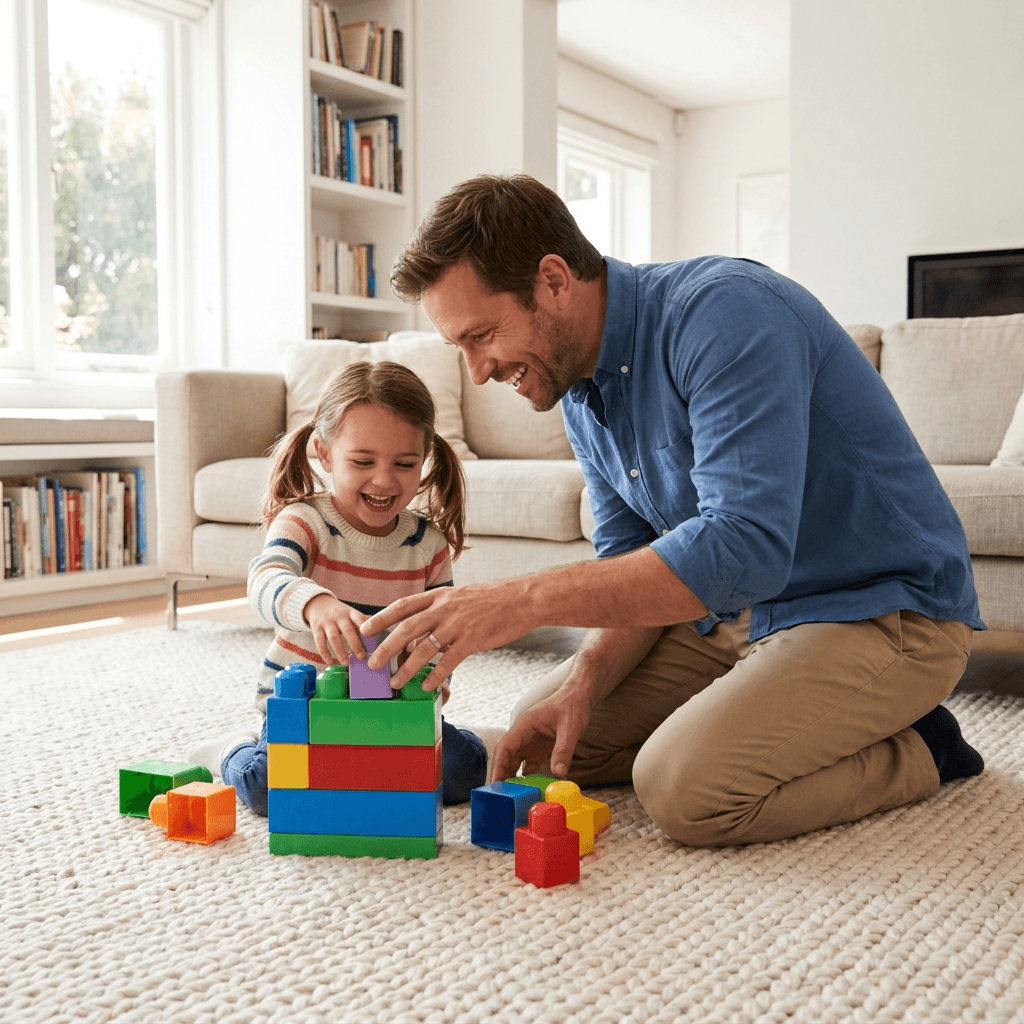
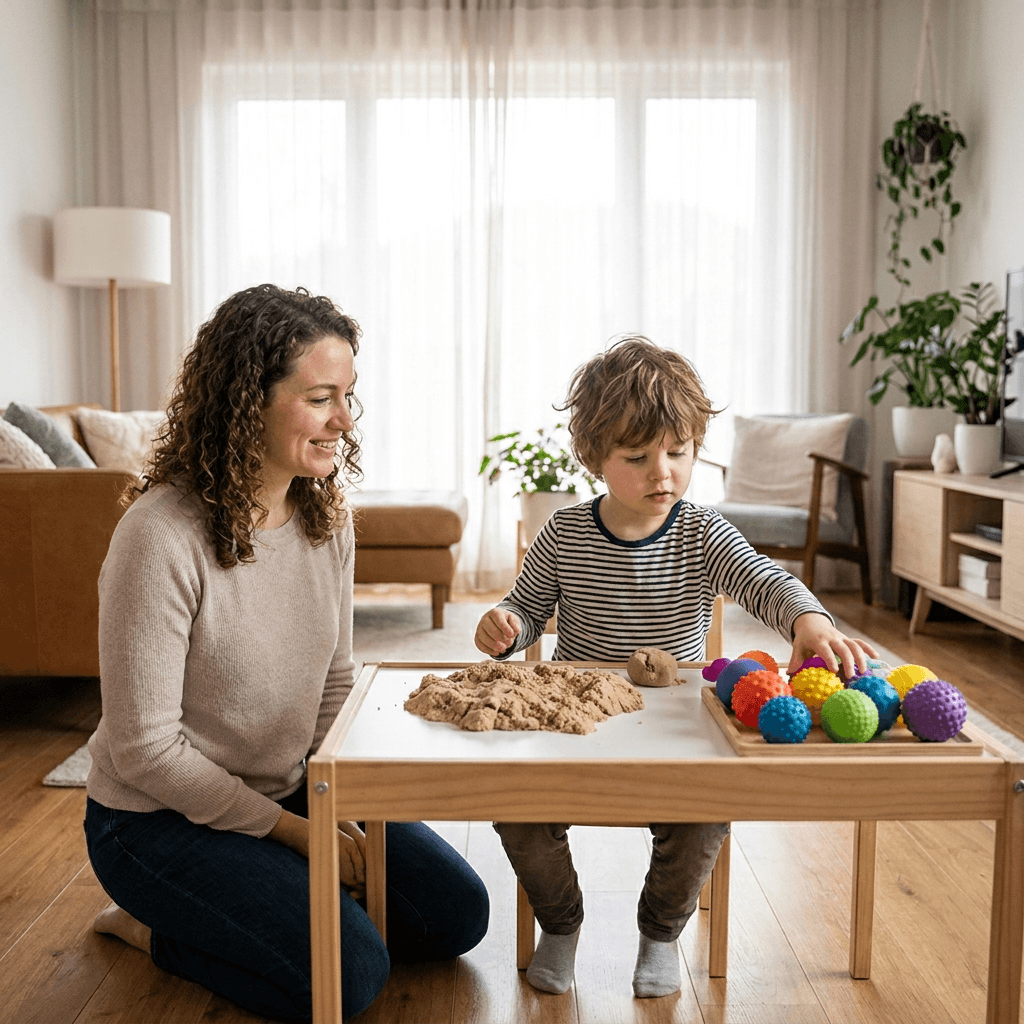
Alongside structured table-top sessions, well-designed programmes incorporate Natural Environment Teaching — embedding skill practice into play, mealtimes, and daily routines. This is where the home setting offers a genuine and practical advantage. When therapy happens at home, the natural environment is the therapy room. Skills are practised in the spaces where they need to be used, with the people who matter most in the child's life.
Maintenance Checks
Generalisation also includes the dimension of time. A skill that fades after a few weeks without practice has not been fully consolidated. Good programmes build in regular maintenance checks — revisiting skills that were previously mastered to confirm they have been retained and are still available across settings and people.
What It Looks Like in Practice
- Across people: therapist → parents → teachers → grandparents → peers → unfamiliar adults
- Across settings: therapy space → living room → kitchen → playground → school → community
- Across materials: one specific object → varied real objects → pictures → books → digital representations
- Across time: maintenance probes conducted weeks and months after initial mastery
The Role of Parents and Caregivers
Parents are not passive observers in this process — they are essential partners. Parent coaching is a core component of effective ABA programming precisely because the hours spent in formal therapy sessions represent a fraction of a child's waking week. The majority of learning opportunities happen at home, during meals, bath time, play, and daily transitions.
When parents understand the principles of generalisation, they can create natural opportunities throughout the day that reinforce and extend what is being worked on in sessions. This dramatically increases the number of learning trials a child receives without adding any formal therapy hours, and it accelerates the transfer of skills into meaningful, everyday use.
A practical question every parent can ask at any stage of therapy: "With whom, where, and with what materials has this skill been demonstrated?" If the answer is narrow, that is a useful conversation to have with your child's therapist about the next steps in programming.
Generalisation and School Readiness in the UAE
For families in Dubai and across the UAE, generalisation has particular practical significance when it comes to school placement and inclusion. Schools — whether mainstream, specialist, or supported — present a very different environment from a home therapy session: different adults, different instructions, different materials, larger peer groups, and less individualised attention. A child whose skills have been thoroughly generalised is far better placed to demonstrate what they know in that context.
Collaboration between home therapists, school staff, and families is therefore especially important. Sharing data on which skills are mastered, under what conditions, and what prompts are being faded can make a meaningful difference to a child's experience of school transitions.
Getting Support in Dubai
xlr8well delivers speech, ABA, occupational, and physical therapy in your home anywhere in Dubai — putting the natural environment at the centre of your child's programme from the very first session. Sessions are also available at Bloom Autism Center (Office 702, Yes Business Tower, Al Barsha 1, Dubai). Every journey starts with a free, judgement-free consultation on WhatsApp, and a formal diagnosis is never required to begin. Explore our autism therapy services to learn more about how programmes are structured.
This article is general information for parents and carers, not a diagnosis or a substitute for professional assessment of your child. If you have concerns about your child's development, please speak with a licensed healthcare professional.