%2520(350%2520x%2520150%2520px)%2520(90%2520x%252040%2520px)%2520(4).png%3Falt%3Dmedia%26token%3Dbed5580f-de12-4061-ac20-36c16b313f14&w=384&q=75)
Haircuts, Dentists and Doctors: Surviving the Sensory Gauntlets
Why Haircuts, Dentists and Doctors Feel So Hard for Autistic Children
For many parents of autistic children, the calendar entry "haircut – 3pm" can trigger almost as much anxiety as it does for the child. That reaction is entirely understandable. What looks routine to an outsider — a quick trim, a dental check, a GP appointment — is, for a child with sensory processing differences, a collision of unpredictable sounds, unfamiliar smells, unexpected touch and bright overhead lights, all delivered by a stranger who invades personal space without warning.
Understanding why these appointments feel like sensory gauntlets is the first step toward making them more manageable. This article is written for parents and carers navigating these challenges in Dubai and across the UAE, where family schedules are busy, summers are extreme, and finding the right support can take time.
Understanding the Sensory Experience
Autism is associated with differences in how the brain processes sensory information. Some children are hypersensitive — meaning sensory input feels amplified and potentially painful — while others are hyposensitive and may seek intense sensory experiences. Many children experience a combination of both across different senses.
At a haircut appointment, a child may encounter:
- The vibration and sound of electric clippers close to the ears and skull — a deeply unsettling combination for many children
- Unfamiliar touch from someone they do not know, applied repeatedly and without predictable pattern
- Cold water or spray mist on the scalp or face
- Itchy hair clippings falling onto skin and clothing
- Bright salon lighting and the disorienting experience of watching themselves in a mirror
At the dentist or doctor, the challenges shift slightly but may include:
- Bright examination lights pointed directly at the face
- Unfamiliar smells — antiseptic, latex gloves, fluoride paste
- Instruments placed inside the mouth, triggering a strong gag reflex in some children
- The anxiety of not knowing exactly what will happen next, or for how long
- A waiting room that may be loud, crowded, or visually chaotic
None of these experiences are trivial. Repeated exposure without proper support can create lasting negative associations that make future appointments increasingly difficult. The good news is that with the right preparation and the right provider, these experiences genuinely can become more manageable over time.
Desensitisation: The Visit-Before-the-Visit
One of the most effective strategies recommended by occupational therapists and behaviour specialists is graded desensitisation — introducing a child to a new environment or experience in small, non-threatening steps before anything is expected of them.
In practice, this might look like:
- Visit one: Simply walk into the barber shop or dental clinic, look around, and leave. No sitting in the chair, no appointment. The goal is only familiarity.
- Visit two: Sit in the chair briefly while it is still. No tools come out. Perhaps the barber or dentist simply says hello.
- Visit three: Introduce the tool — clippers turned on nearby but not touching, or a dental mirror briefly placed in the mouth — and then stop. Praise and reward follow immediately.
This process takes patience and time, and not every family has the flexibility to do multiple preparatory visits. But even one low-stakes visit before the real appointment can meaningfully reduce distress.
Home Practice That Actually Helps
Occupational therapists often work with families on desensitisation exercises that can be done at home in a low-pressure environment:
- Electric toothbrush as a "play clipper": The vibration is similar to clippers. Letting a child hold it, feel it on their hand, and eventually accept it near their head gradually builds tolerance to that sensation.
- Open-wide games: Playing games that involve opening the mouth wide — blowing bubbles, sticking out tongues, looking at each other's teeth with a small torch — can reduce oral defensiveness over time.
- Hair-touch tolerance: Gentle brushing, scalp massage, or even just running fingers through hair during a calm moment can slowly increase comfort with touch on the head.
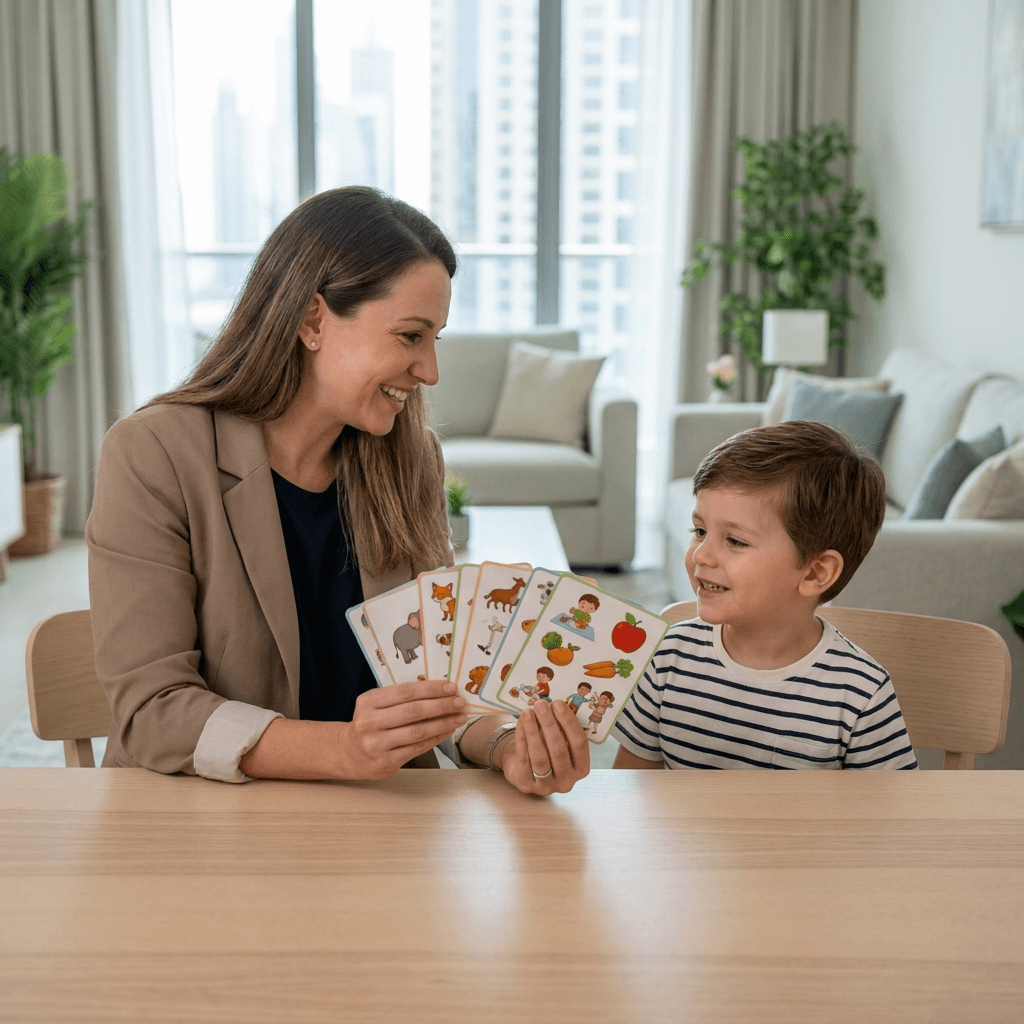
- Social stories: Simple, visual narratives (drawn, printed, or digital) that walk through exactly what will happen during the appointment — who they will meet, what tools will be used, what the child is expected to do — can reduce anxiety considerably by removing the unknown.
Practical Strategies on the Day
Beyond preparation, the logistics of the appointment itself matter significantly:
- Book morning slots. Most children with sensory sensitivities have more regulatory capacity earlier in the day, before tiredness compounds their difficulty managing input. Avoid end-of-day appointments if at all possible.
- Brief the provider in advance. A quick message or phone call before the appointment to explain your child's needs is not an imposition — most hairdressers, dentists and GPs genuinely appreciate being prepared. Tell them: what helps, what to avoid, preferred communication style, and any signals your child uses when overwhelmed.
- Bring comfort items. A preferred toy, noise-cancelling headphones, a chewy, or a familiar blanket can serve as sensory anchors that help a child feel grounded in an unfamiliar space.
- Use a visual schedule or countdown. Showing a child exactly how many steps remain ("two more things, then we are finished") can reduce the distress of not knowing when it will end.
- Plan a reward that matters to the child — not as bribery, but as a predictable, positive endpoint that gives the experience a meaningful conclusion.
Provider Selection: It Does Half the Work
Finding a barber, dentist or GP who has experience with autistic patients genuinely changes the equation. An experienced provider will naturally adjust their communication style, move slowly, explain each step before doing it, and offer genuine flexibility — such as stopping immediately if a child becomes overwhelmed, or spreading a dental check across two shorter appointments rather than one long one.
The best way to find these providers in Dubai is through local parent communities and support groups, both online and in person. Parents who have already navigated this path are a remarkably generous source of specific, practical recommendations. Ask which barber in your area is used to working with sensory-sensitive children, which dental clinic near you has a paediatric dentist who understands autism, and which GP practice is known for being unhurried and flexible.
When to Involve a Therapist
If appointments are consistently resulting in full meltdowns, significant distress, or complete avoidance that is affecting your child's health — dental issues going untreated, for example — it may be time to involve a professional. Occupational therapists can conduct sensory assessments and build a structured, individualised desensitisation programme. Applied Behaviour Analysis (ABA) practitioners can work specifically on appointment-related skills. Speech therapists can help a child develop the language or communication tools to express discomfort before it escalates.
You do not need a formal autism diagnosis to begin therapy in many settings. Support can be sought based on observed needs while any assessment process runs in parallel.
xlr8well provides occupational therapy, ABA, speech therapy and physical therapy delivered at home across Dubai, removing one layer of environmental challenge by keeping the child in a familiar setting. Support is also available at Bloom Autism Center (Office 702, Yes Business Tower, Al Barsha 1, Dubai). Every journey starts with a free, judgement-free consultation available via WhatsApp — no diagnosis is required to begin. You can explore the full range of autism therapy services here.
A Note for Providers Reading This
If you are a barber, dentist, nurse or GP who has ever had a child become distressed in your care and wondered what to do differently, the answer is mostly: slow down, narrate, and ask the parent. You are not expected to know every child's needs instinctively. But your willingness to adapt — to turn down the radio, to let the child hold the instrument first, to say "I am going to touch your head now" before you do — makes an enormous difference to families. Dubai's neurodivergent community is large, and word-of-mouth recommendations spread fast when someone is consistently kind and accommodating.
This article contains general information for parents and carers and is not a substitute for professional assessment or individualised advice. If your child is in distress or experiencing a medical emergency, call 999.