%2520(350%2520x%2520150%2520px)%2520(90%2520x%252040%2520px)%2520(4).png%3Falt%3Dmedia%26token%3Dbed5580f-de12-4061-ac20-36c16b313f14&w=384&q=75)
Siblings of Autistic Children: The Kids Doing Quiet Heavy Lifting
The Children Nobody Talks About
When a child is diagnosed with autism spectrum disorder (ASD), families rightly focus their energy, finances and emotional bandwidth on that child's therapy, school placement and daily wellbeing. It is a necessary and loving response. Yet in households across Dubai and the wider UAE, there is often another child quietly absorbing the ripple effects of that focus — the neurotypical sibling. These are the children who learn to read the room before they can read a book, who talk themselves down from birthday-party meltdowns that were not even theirs, and who love their brother or sister with a depth that rarely makes it into the conversation.
This article is for the parents who already sense that their other child might need a little more than they are currently getting — and who want practical, honest guidance on how to provide it.
What Research and Clinicians Observe
Families living with autism will recognise many of the experiences described below even without numbers attached. Sibling relationships in households affected by ASD are genuinely complex, and clinicians working in this space — including developmental paediatricians, family therapists and ABA practitioners — commonly note a pattern of mixed emotions that neurotypical siblings carry:
- Pride and protectiveness. Many siblings become fiercely loyal advocates, defending their autistic brother or sister in school corridors and social situations long before they have the language to explain why.
- Embarrassment and social anxiety. A public meltdown, an unexpected outburst in front of friends, or a birthday party that ends abruptly can leave a sibling feeling caught between loyalty and social survival.
- Parentified behaviour. Some children quietly take on a caregiving or mediating role — translating emotions, managing triggers — that is beyond what their age reasonably asks of them.
- Invisible-child feelings. When a household's schedule, holidays, mealtimes and conversations are necessarily shaped around one child's needs, another child can begin to feel that their own needs are smaller, less urgent, or simply less interesting.
- Genuine affection and joy. This matters and is real. Many adults who grew up alongside an autistic sibling describe it as one of the most formative, empathy-building experiences of their life.
None of these feelings are mutually exclusive. A child can love their sibling deeply and still resent that last Tuesday's school play was cut short. Both feelings are valid, and acknowledging that is the starting point for everything else.
Age-Appropriate Explanations: Start Early, Keep Updating
Children are concrete thinkers, and honest, simple explanations serve them far better than vague reassurances. A preschool-age child does not need a clinical framework — something like "his brain hears everything very loudly, and sometimes that feels overwhelming" is genuinely informative and age-appropriate. A ten-year-old, however, can begin to understand sensory processing in more detail, and a teenager may benefit from reading age-appropriate books on neurodiversity, or even attending a sibling workshop.
The key is to revisit the explanation as the child grows. What satisfied a five-year-old's curiosity will not satisfy a twelve-year-old's, and leaving a growing child to fill the gaps with their own imagination — or worse, with playground myths — tends to produce more anxiety, not less.
- Use plain, non-stigmatising language when describing autism.
- Invite questions and answer them honestly, even when the honest answer is "we don't know yet."
- Correct misunderstandings gently and without making the child feel foolish for having them.
- As children approach adolescence, they may want to explore what autism means for their own future — including questions about heredity. These deserve thoughtful, careful responses, ideally with professional support available if needed.
One-on-One Time: The Single Most Protective Factor
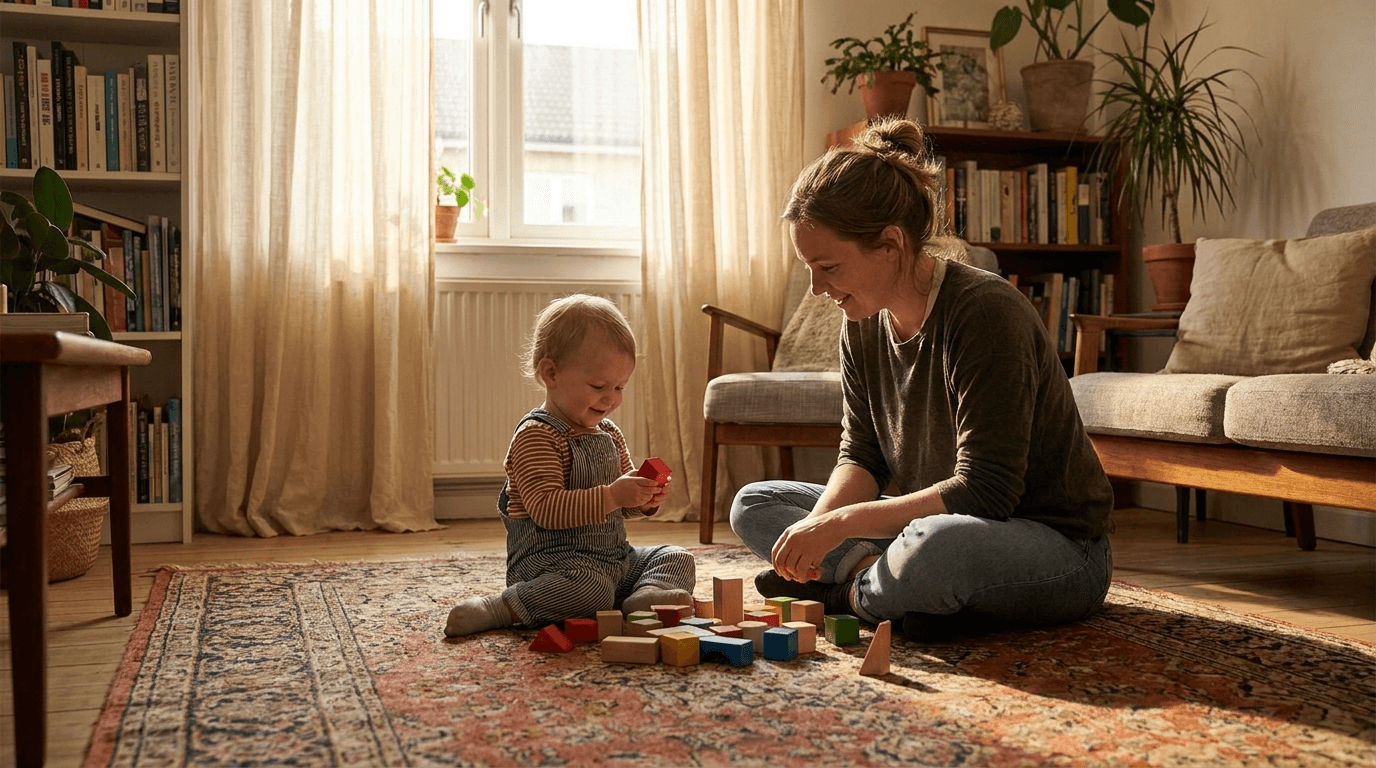
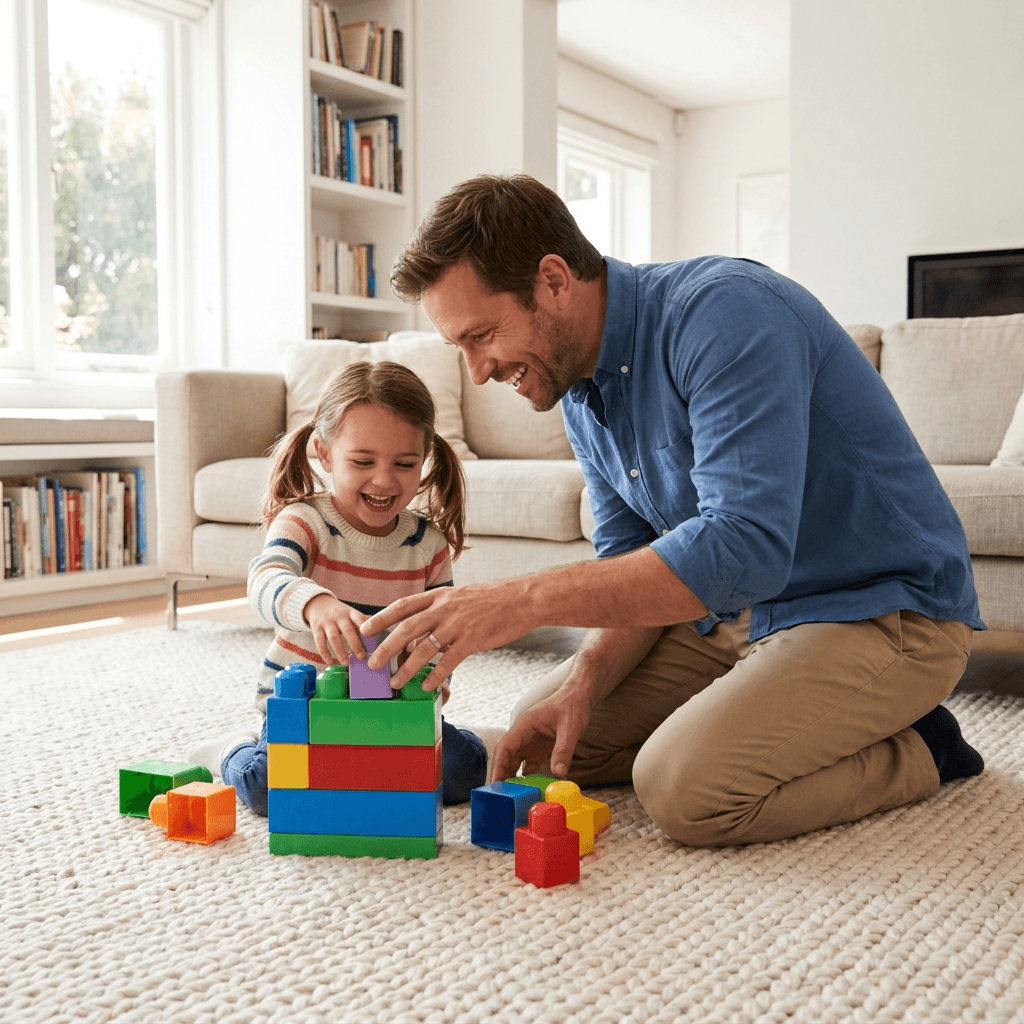
Across clinical observations and family therapy practice, one recommendation appears consistently: dedicated, uninterrupted, one-on-one time between a parent and the neurotypical sibling. Not a grand gesture or a special holiday — ten or fifteen focused minutes a day, reliably, can outweigh a single expensive outing in terms of the message it sends.
That message is: you matter, separately and specifically.
In the UAE context, where family life can be demanding and working hours long, this may require deliberate scheduling. It might look like a short walk after school, ten minutes of a shared game before bed, or a standing Saturday breakfast that belongs entirely to that child. The activity matters far less than the consistency and the undivided attention. Screens away. Questions open. Agenda belonging to the child.
All Feelings Are Legal
One of the most powerful things a parent can offer a sibling is explicit permission to feel complicated things. Children are perceptive; they often sense that expressing resentment or frustration about their autistic sibling feels disloyal or unkind, and so they suppress it. Suppressed feelings in children have a way of emerging as anxiety, withdrawal, behavioural changes at school, or somatic complaints — headaches, stomach aches, sleep difficulties.
A simple statement from a trusted adult — "It is okay to feel frustrated sometimes. It is okay to feel left out. That doesn't mean you love your brother any less" — can be genuinely relieving. It normalises the experience without dismissing the love that also exists.
If a child seems persistently withdrawn, anxious, or is showing changes in mood or behaviour over weeks, a conversation with a paediatrician or child psychologist is a sensible next step. These responses are not unusual, but they do benefit from professional support when they persist.
Sibling Support Groups and Peer Connection
One of the most effective — and underused — resources for siblings of autistic children is peer connection. Sibling support groups, whether run through therapy centres, schools, or community organisations, offer something that even the most emotionally attuned parent cannot fully replicate: the company of other children who genuinely understand.
In Dubai, awareness of neurodevelopmental conditions is growing, and more structured sibling programmes are becoming available through specialist centres. Ask your child's therapy provider whether they offer sibling sessions or can recommend a peer group. Even an occasional structured session can have a meaningful normalising effect.
The Question That Opens a Door
One of the most practical and low-barrier things a parent can do tonight, with no preparation and no cost, is simply ask their other child: "What's the best and hardest part of being his sibling?" — and then listen without redirecting, problem-solving, or defending.
The question itself communicates something important: that you see them, that their experience matters, and that there is space in this family for their truth. Children often do not volunteer these feelings unprompted, not because they do not have them, but because they are managing the emotional climate of the household as best they can. An open question removes the burden of volunteering and replaces it with an invitation.
Getting Support in Dubai
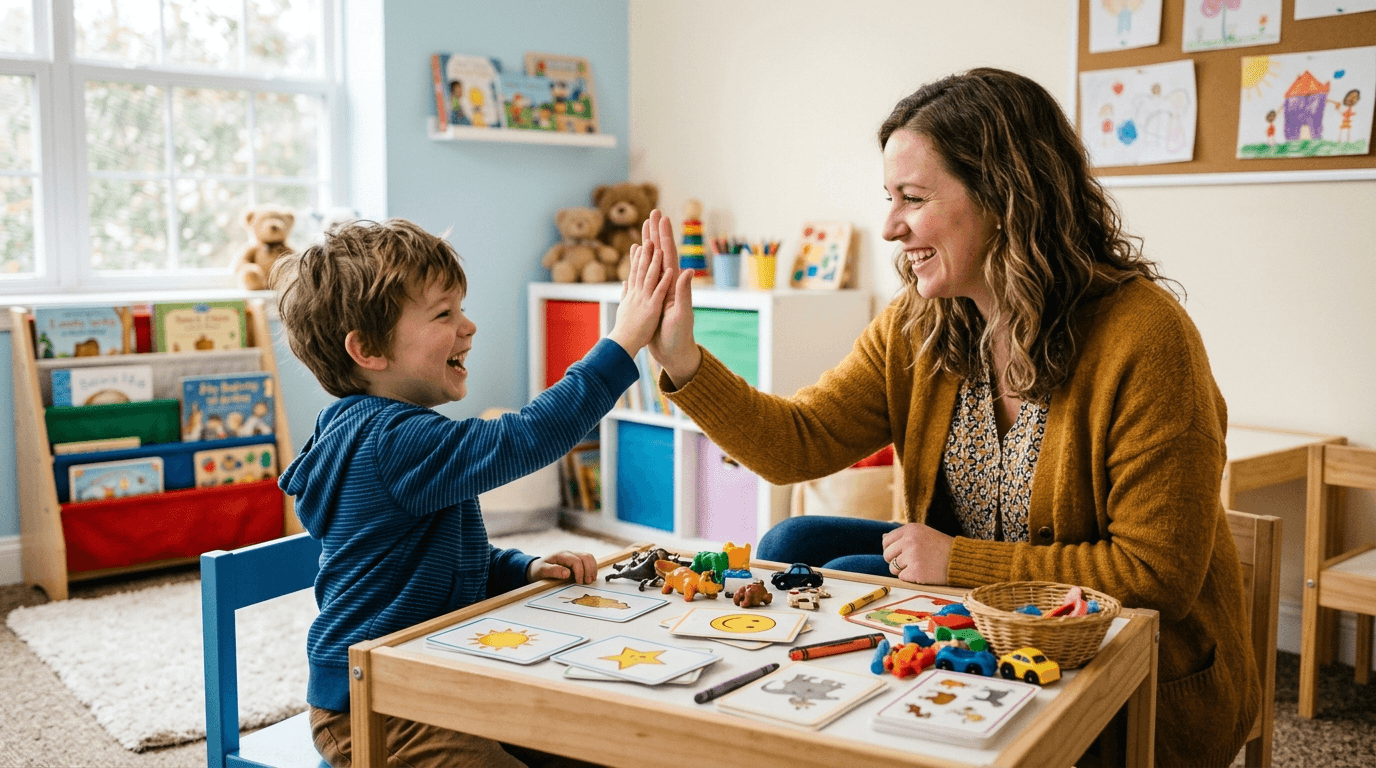
If your family is navigating an autism diagnosis — or is in the process of pursuing one — holistic support that includes the whole family is worth considering from the beginning. The xlr8well team delivers speech therapy, ABA, occupational therapy and physical therapy at your home anywhere in Dubai, or at Bloom Autism Center (Office 702, Yes Business Tower, Al Barsha 1, Dubai). Every journey starts with a free, judgement-free consultation on WhatsApp, and a formal diagnosis is never required to begin. Explore our autism therapy services to learn more.
This article is general information for parents and carers, not a diagnosis or a substitute for professional assessment. If you have concerns about any child's mental or emotional wellbeing, please consult a licensed healthcare professional. In an emergency, call 999.