%2520(350%2520x%2520150%2520px)%2520(90%2520x%252040%2520px)%2520(4).png%3Falt%3Dmedia%26token%3Dbed5580f-de12-4061-ac20-36c16b313f14&w=384&q=75)
What Is ABA Therapy? A Plain-English Guide for Parents

TL;DR: Applied Behavior Analysis is the science of how behaviour is learned — applied to teach children skills (communication, play, daily living) by breaking them into achievable steps and reinforcing every success. It is the most researched autism intervention in existence.
What Is ABA Therapy, Really?
Applied Behavior Analysis — usually called ABA — is a structured, evidence-based approach to understanding and changing behaviour. At its heart, it draws on a straightforward principle: behaviours that are reinforced tend to increase, and behaviours that no longer serve a useful purpose tend to fade. What makes ABA distinctive is the rigour with which this principle is applied: every step is observed, measured, and adjusted based on real data collected during each session.
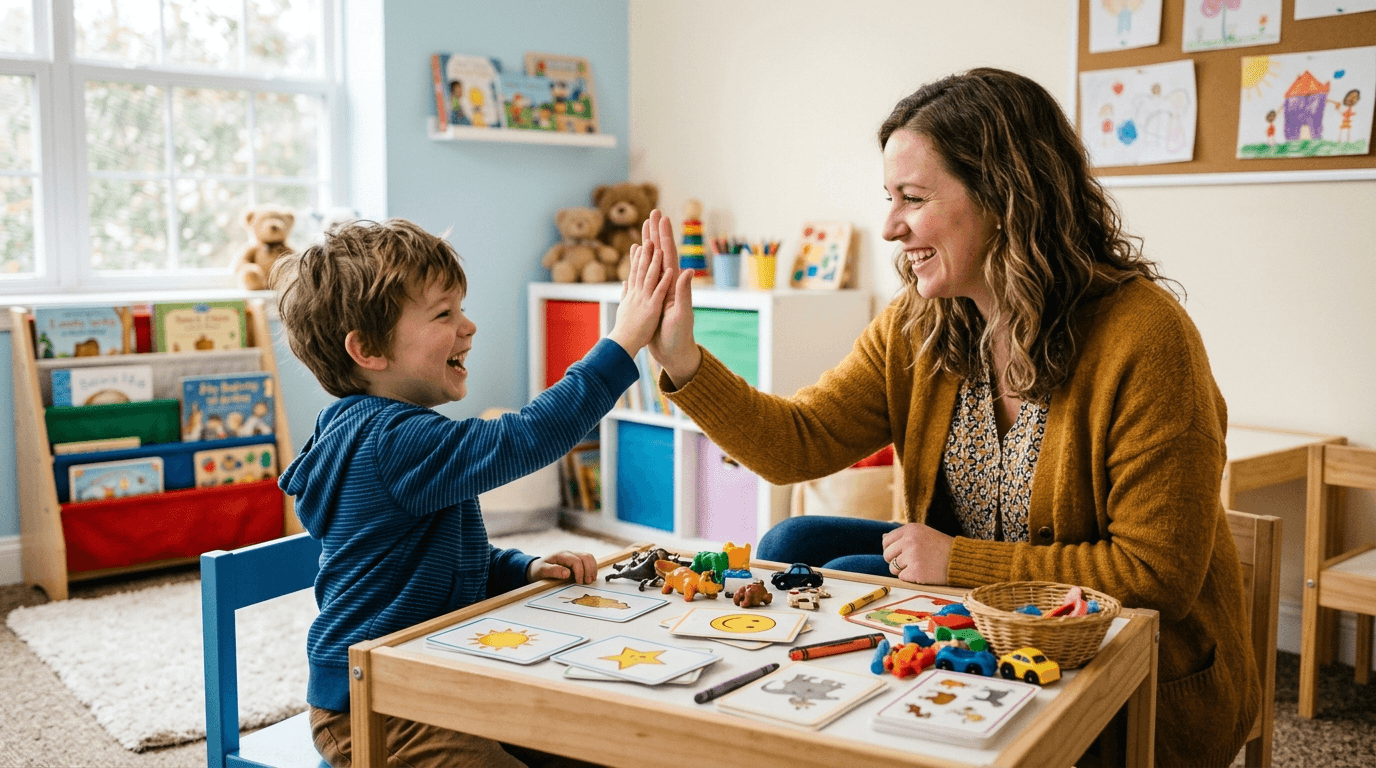
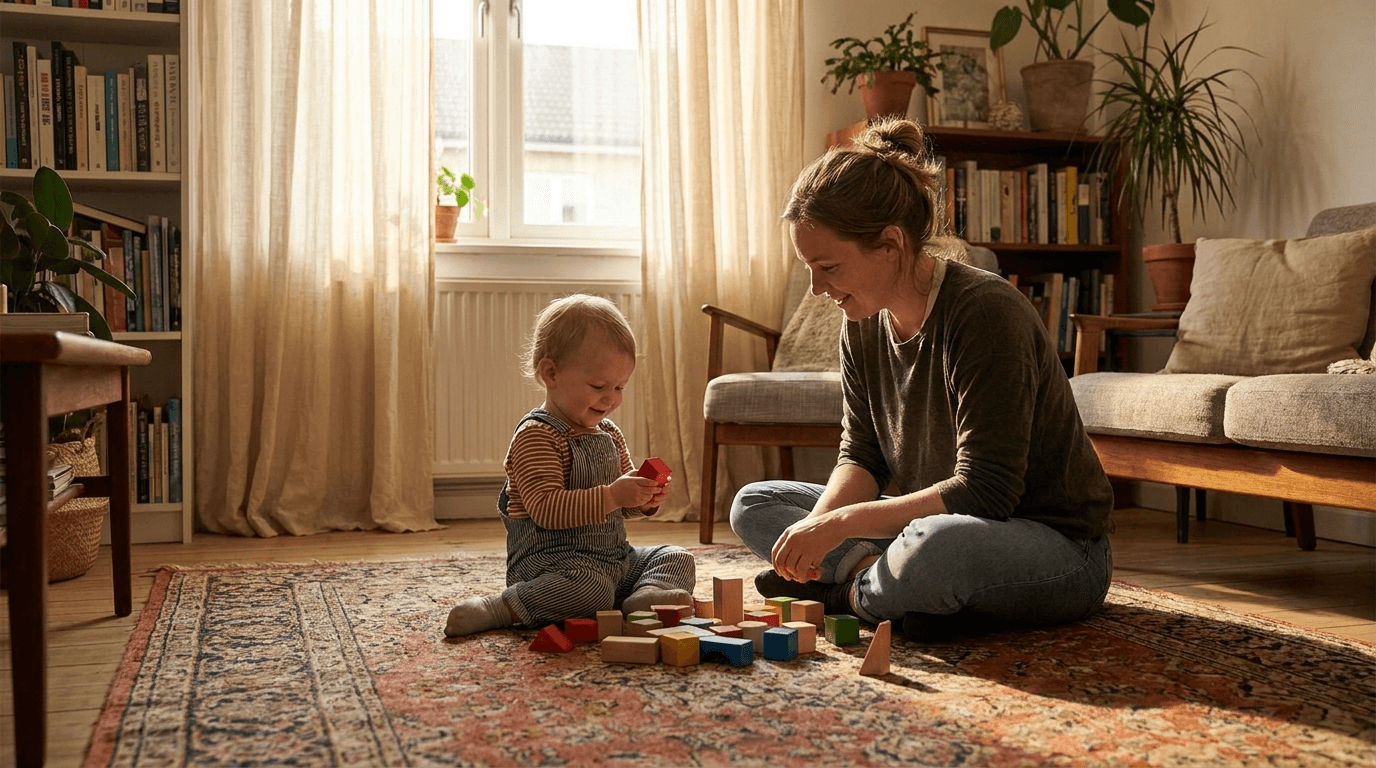
ABA is not a single technique but a broad framework. Within that framework, therapists use a wide range of strategies — from structured teaching at a table to naturalistic, play-based learning on the floor — depending on the child's age, personality, and goals. Modern ABA has moved well beyond its older, more rigid reputation. Today's programmes are designed to be child-led, joyful, and deeply respectful of the child as an individual.
The Science Behind It: How Behaviour Is Learned
ABA is grounded in the science of behaviour analysis, which examines the relationship between a person's environment and what they do. Therapists look at what happens before a behaviour (the antecedent), the behaviour itself, and what happens after it (the consequence). This is often called the ABC model.
By understanding this chain of events, a trained behaviour analyst can answer a critical question: why is this behaviour happening? A child may tantrum to escape a difficult demand, or to gain attention, or because they are overwhelmed by sensory input. Each function calls for a different response. When the therapist correctly identifies the function and adjusts the environment accordingly, change becomes possible — and it becomes lasting, because it is built on understanding rather than guesswork.
Who Is ABA Therapy For?
ABA is most widely used with autistic children, and the bulk of the research evidence relates to autism spectrum disorder (ASD). However, the principles of behaviour analysis can be applied wherever there is a need to build new skills or reduce behaviours that interfere with learning and daily life. ABA is also used with children who have developmental delays, attention difficulties, or other learning differences.
There is no minimum age requirement. ABA can begin in toddlerhood — early intervention is widely considered beneficial — and can continue into adolescence and adulthood as goals shift towards independence, employment, and community participation. Crucially, a formal diagnosis is not always required to begin; many families start with an assessment and work towards a diagnosis in parallel.
What ABA Therapy Looks Like in Practice
No two ABA programmes are identical, because no two children are. A board-certified behaviour analyst (BCBA) or similarly qualified clinician begins with a comprehensive assessment of the child's current skills, strengths, and areas of difficulty. From this, a highly individualised programme is built, with clear, measurable goals agreed with the family.
In a typical session, you might see:
- Skills broken into small, winnable steps — a goal like "requests a preferred item" is taught one component at a time, so the child experiences success at every stage.
- Immediate, meaningful reinforcement — when the child succeeds, something they genuinely value follows straight away: praise, a favourite toy, a brief game. Reinforcement is individualised, not one-size-fits-all.
- Natural environment teaching — many skills are practised in the context where they are actually needed: at snack time, in play, during a walk outside.
- Data collected every session — the therapist records responses throughout, so progress (or the need to adjust an approach) is visible and objective, not a matter of impression.
- Parent and caregiver involvement — skills that only exist inside a therapy session are not yet fully learned. Families are coached to use the same strategies at home, extending learning into everyday life.
Common Goals in an ABA Programme
The goals of ABA are as broad as the skills a child needs to thrive. Common areas include:
- Communication — requesting needs, answering questions, initiating conversation, or using an alternative communication system where verbal speech is limited.
- Social skills — taking turns, making eye contact where comfortable, playing alongside or with peers, understanding emotions.
- Daily living skills — dressing, toileting, eating a range of foods, navigating routines independently.
- Reducing distress behaviours — understanding and addressing behaviours that cause harm or significantly restrict participation in family and community life.
- School readiness — attending to instructions, sitting for short periods, transitioning between activities.
Is ABA Right for Every Child? Honest Considerations
ABA has the largest research base of any autism intervention, and many families report significant, meaningful progress. That said, no single approach works identically for every child, and outcomes vary depending on the child's individual profile, the intensity and quality of the programme, and how well the goals reflect the family's own priorities.
It is also worth noting that ABA has evolved considerably, and the quality of programmes varies. High-quality modern ABA is warm, responsive, and focused on building a child's quality of life — not on eliminating differences for their own sake. When evaluating any provider, ask to observe a session and ask to see how progress is measured. Reputable providers will welcome both questions.
If you have concerns about your child's development, a consultation with a developmental paediatrician or clinical psychologist can help clarify next steps alongside any therapy.
ABA and Other Therapies: How They Work Together
ABA is rarely delivered in isolation. Many children benefit from a combination of approaches, and behaviour analysis principles integrate naturally with other therapies. Speech and language therapy may run alongside ABA to deepen communication goals. Occupational therapy addresses sensory processing, fine motor skills, and independence in daily tasks. When these disciplines share information and align their goals, the child benefits from a joined-up approach rather than fragmented inputs.
Getting ABA Support in Dubai
Access to qualified ABA therapists in Dubai has grown considerably in recent years, reflecting both the city's expanding healthcare infrastructure and greater awareness of autism support needs. When choosing a provider, it is worth asking about the qualifications of the supervising clinician, the number of therapy hours offered, and how parent coaching is incorporated into the programme.
The xlr8well team delivers ABA therapy, speech therapy, occupational therapy, and physical therapy at your home anywhere in Dubai — removing the logistical pressure that can make clinic-based appointments difficult for families. Sessions can also take place at Bloom Autism Center (Office 702, Yes Business Tower, Al Barsha 1, Dubai). Every journey starts with a free, judgement-free consultation on WhatsApp, and a formal diagnosis is never required to begin. Explore our autism therapy services to learn more about how we can support your child and family.
The Takeaway for Parents
ABA therapy is not a quick fix, and any provider who suggests otherwise is not being straightforward with you. It is a sustained, structured, and genuinely evidence-informed investment in your child's development. When it is done well — with warmth, rigour, and your family's values at the centre — it can open doors that might otherwise remain closed.
Two questions remain the best filter when evaluating any ABA provider: "Can I watch a session?" and "Can I see the data?" Good providers will light up at both.
This article is general information for parents and carers, not a diagnosis or a substitute for professional assessment of your child. If you have concerns about your child's development, please seek guidance from a qualified healthcare professional.