%2520(350%2520x%2520150%2520px)%2520(90%2520x%252040%2520px)%2520(4).png%3Falt%3Dmedia%26token%3Dbed5580f-de12-4061-ac20-36c16b313f14&w=384&q=75)
What Is Autism, Really? A Clear Explanation for New-to-This Parents
TL;DR: Autism is a neurodevelopmental difference in how a brain processes social information, communication and sensory input — present from early development, lifelong, and expressed uniquely in every person. It is a different operating system, not a damaged one.
What Does "Autism" Actually Mean?
When a doctor, therapist, or early-intervention specialist first says the word "autism" in relation to your child, it can feel like the ground shifts beneath you. The word carries enormous weight — much of it built from outdated portrayals, internet misinformation, and the fears that naturally accompany any unknown. So let's start simply.
Autism Spectrum Disorder (ASD) is a neurodevelopmental condition, meaning it originates in how the brain develops from very early in life. It is not an illness, an injury, or the result of something that went wrong in childhood. It describes a pattern of differences in three broad areas: social communication, behavioural flexibility (sometimes expressed as focused interests or repetitive patterns), and sensory processing. These differences are present from early development and remain throughout a person's life — though how they show up, and how much they affect daily functioning, changes enormously across individuals and across time.
A helpful way to think about it: if a neurotypical brain runs on one operating system, an autistic brain runs on another. Neither is broken. They simply process certain inputs — social cues, sensory information, change and routine — differently.
The Three Core Areas Explained
Social Communication Differences
Autistic individuals may find certain aspects of social interaction genuinely confusing or effortful in ways that non-autistic people do not. This can include difficulty reading implicit social cues (tone of voice, facial expressions, unspoken expectations), challenges with back-and-forth conversation, differences in eye contact, or a preference for very direct, literal language. Importantly, this does not mean a lack of desire for connection — many autistic people deeply want relationships and friendships; they may simply navigate them differently. Some children may have very limited spoken language at an early age, while others may be highly verbal but still find the social back-and-forth of communication challenging.
Focused Interests and Repetitive Patterns
Many autistic individuals develop intense, detailed interests in particular subjects — whether that is trains, astronomy, a specific TV series, or a niche area of science. These are not quirks to be dismissed; they are often genuine strengths, sources of joy, and sometimes pathways to career and purpose. Alongside this, some autistic people rely on predictable routines and find unexpected changes to those routines distressing. Repetitive movements or behaviours (sometimes called "stimming") such as hand-flapping, rocking, or repeating words or phrases serve a real regulatory function — helping the nervous system manage stimulation or emotion.
Sensory Differences
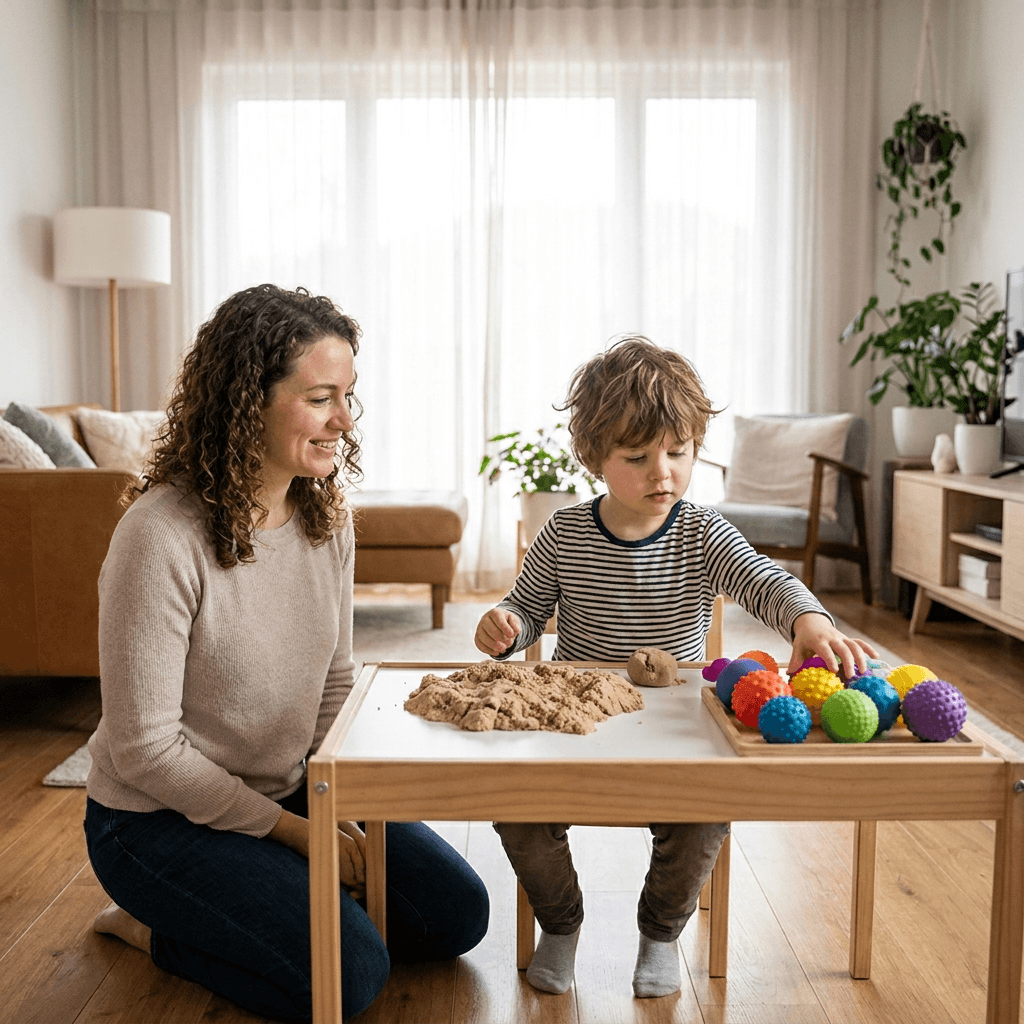
This is one of the most practically significant — and most frequently overlooked — aspects of autism. Autistic brains often process sensory information differently from neurotypical brains. A child may be hypersensitive to sounds, lights, textures, smells, or touch, finding environments that others find unremarkable genuinely overwhelming. Others may be hyposensitive, seeking out intense sensory experiences. Many children are a mix of both. Understanding your child's specific sensory profile can unlock enormous improvements in daily comfort, behaviour, and learning.
What "Spectrum" Actually Means
The word "spectrum" is sometimes misunderstood to mean a straight line from "mild" to "severe." In reality, the autism spectrum is multidimensional. A child can have outstanding verbal communication skills while finding social interaction deeply exhausting. Another child may have very limited speech but demonstrate remarkable spatial reasoning or memory. Support needs vary widely — some autistic individuals live and work fully independently; others require significant support throughout their lives. A child's profile can also shift meaningfully with the right therapeutic input and environment.
Clinicians in many countries now use a "levels" framework (Levels 1, 2, and 3 of support need) to describe where a child sits at a given point in time — but even this is a snapshot, not a fixed destination.
Common Co-Occurring Conditions
Autism rarely travels alone. Research consistently shows that many autistic individuals also experience one or more co-occurring conditions. These are not part of autism itself, but they are common enough that any comprehensive assessment and support plan should consider them. These include:
- ADHD — differences in attention, impulse regulation, and executive function frequently co-occur with autism.
- Anxiety — the effort of navigating a world built for neurotypical brains can generate significant anxiety, which in children often shows up as meltdowns, avoidance, or physical complaints.
- Sleep difficulties — a very common challenge for autistic children, with real knock-on effects for the whole family.
- Gastrointestinal issues — some autistic children experience GI discomfort that can affect behaviour and wellbeing.
- Language and learning differences — including dyslexia or developmental language disorder in some profiles.
Identifying and addressing co-occurring conditions is often just as important as autism-specific support. A good multidisciplinary team will screen for these and plan accordingly.
What Causes Autism?
The evidence points clearly to a complex interplay of genetic and early neurological developmental factors. Autism tends to run in families, and researchers have identified a large number of genes that may contribute — though no single "autism gene" exists. Differences in early brain development, including how neural pathways are formed and connected, appear to play a central role.
Two things are worth stating plainly, because misinformation persists:
- Parenting does not cause autism. There is no parenting style, attachment pattern, or family circumstance that produces autism. The long-debunked "refrigerator mother" theory belongs in the past.
- Vaccines do not cause autism. This claim originated from a single fraudulent study that has been thoroughly discredited and retracted. The scientific and medical consensus on this is unambiguous. Vaccines are safe and protect children from serious disease.
When Should You Seek Assessment or Support?
If you have noticed differences in your child's development — in speech, social engagement, responses to sensory experiences, or behaviour — it is always appropriate to seek a professional opinion. Early support, where it is relevant and needed, is consistently identified as beneficial. You do not need to wait for a formal diagnosis to begin exploring therapy or seeking guidance.
In the UAE, DHA-licensed speech therapists, occupational therapists, and behaviour therapists can begin working on specific skills and needs from the moment you engage them. A diagnosis can provide access to additional resources and legal recognition of your child's needs at school — but it is not a prerequisite for getting help.
One Thing to Take Away
Your child is the same child after the word "autism" enters the room. The word changes the support available, not the person. Many autistic adults describe their diagnosis — whether in childhood or later in life — as a moment of clarity, not loss. Understanding how a brain works is the first step to supporting it well.
Getting Support in Dubai
The xlr8well team delivers speech therapy, ABA therapy, occupational therapy, and physical therapy at your home anywhere in Dubai, as well as at Bloom Autism Center (Office 702, Yes Business Tower, Al Barsha 1, Dubai). Every journey starts with a free, judgement-free consultation on WhatsApp — and a diagnosis is never required to begin. Explore our autism therapy services to learn more about how we can support your family.
This article is general information for parents and is not a diagnosis or a substitute for professional assessment of your child. If you have concerns about your child's development, please consult a licensed healthcare professional.