%2520(350%2520x%2520150%2520px)%2520(90%2520x%252040%2520px)%2520(4).png%3Falt%3Dmedia%26token%3Dbed5580f-de12-4061-ac20-36c16b313f14&w=384&q=75)
BPC-157 in Dubai: Uses, Dosing Approach & Where to Get It Safely
What Is BPC-157?
BPC-157, short for Body Protection Compound-157, is a synthetic peptide derived from a protein naturally found in human gastric juice. It consists of a sequence of 15 amino acids and has been the subject of a growing body of preclinical research, particularly around tissue repair, wound healing, and gut health. While the majority of evidence to date comes from animal studies, BPC-157 has attracted significant interest from sports medicine practitioners, functional health clinicians, and individuals recovering from injuries — and it is among the most requested peptides in the UAE's emerging at-home health landscape.
Understanding what BPC-157 is — and, equally, what it is not — is essential before considering its use. It is not a steroid, not a hormone, and does not appear to suppress the body's own hormonal systems. It is a signalling compound: a short peptide fragment that may interact with growth factor pathways and nitric oxide systems to promote healing responses at a cellular level.
What the Research Points To
The most cited proposed mechanism of BPC-157 is its potential role in angiogenesis — the formation of new blood vessels. Injuries to tendons, ligaments, and muscle tissue are notoriously slow to heal partly because these structures have relatively poor blood supply. By potentially stimulating new vessel growth at injury sites, BPC-157 may help deliver oxygen and nutrients that support tissue regeneration.
Beyond musculoskeletal use, preclinical studies have also explored BPC-157's effects on the gastrointestinal tract, where it may support the integrity of the gut lining, reduce inflammation, and aid recovery from conditions that compromise the intestinal barrier.
It is important to be transparent about the current state of evidence: the most robust findings come from preclinical (animal) models. Human clinical trials are limited in number and scope. This does not invalidate the widespread clinical use of BPC-157, but it does mean that claims should be interpreted cautiously, and that doctor supervision is not merely a formality — it is genuinely important for safe and appropriate use.
Typical Use Cases
In practice, clinicians and practitioners who work with BPC-157 most commonly consider it in the following contexts:
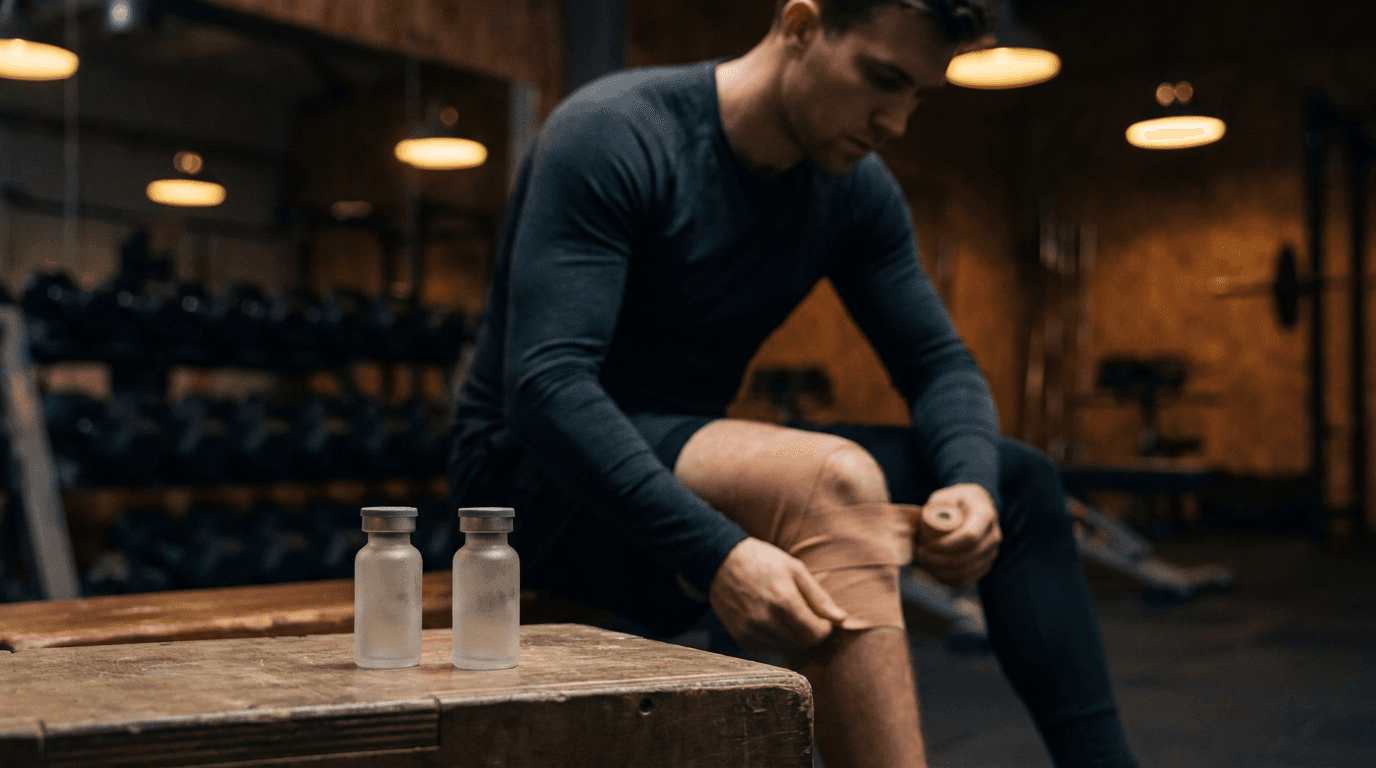
- Tendon and ligament injuries that have plateaued: Chronic or slow-healing injuries — such as Achilles tendinopathy, rotator cuff strains, or knee ligament damage — where conventional physiotherapy alone has not produced expected progress.
- Post-surgical recovery support: Some individuals explore BPC-157 as an adjunct to support soft-tissue healing after orthopaedic procedures. This should always be discussed with and approved by the treating surgeon before use.
- Gut-lining support protocols: For individuals dealing with gastrointestinal complaints — including those with a history of gut permeability concerns or inflammatory conditions — oral BPC-157 formats are sometimes considered as part of a broader gut-health protocol.
- Muscle recovery and sports performance: Athletes and active individuals in Dubai's demanding climate may explore BPC-157 as part of a supervised recovery strategy, particularly following high-volume training phases or acute injuries.
None of these represent guaranteed outcomes, and BPC-157 is not a substitute for established medical treatment. It is best considered as a potential adjunct within a broader, medically supervised approach.
Dosing Approach: Why There Is No Universal Protocol
One of the most common questions people ask is: "What is the right dose?" The honest answer is that dosing for BPC-157 is not standardised in the way that licensed pharmaceuticals are, precisely because robust large-scale human trials establishing definitive dosing ranges have not yet been completed.
In clinical practice, protocols typically vary based on:
- The specific condition being addressed (musculoskeletal versus gastrointestinal)
- The route of administration (injectable versus oral)
- The individual's body weight, health status, and treatment goals
- Duration — protocols commonly run for 4 to 6 weeks, after which a review is conducted
This variability is precisely why attempting to self-dose based on information found online carries real risk. A doctor who reviews your history, examines your injury or concern, and monitors your response is in a fundamentally better position to guide your protocol than any generic internet resource.
Injectable vs. Oral: Matching Format to Goal
BPC-157 is available in two primary formats, and the choice between them is not arbitrary — it should reflect the therapeutic target.
Injectable BPC-157
Subcutaneous (under-the-skin) injection is generally favoured for systemic effects and for musculoskeletal targets — for example, when the goal is to support healing in a tendon, joint, or ligament. Injections can be administered at or near the site of injury, or subcutaneously in the abdominal region. For those who prefer not to self-inject, at-home nurse administration is an option that removes the concern about technique and sterility.
Oral BPC-157
Oral capsule or liquid formats are primarily used in gut-focused protocols, given that the compound's journey through the digestive tract may allow it to act locally on the gastrointestinal lining. For systemic or joint-related goals, oral delivery is generally considered less effective than injection, though some practitioners use it as a supplementary approach.
Your doctor will match the format to your specific goal — this is not a decision to make based on convenience alone.
The Dubai Supply Question: Why Source Matters
Dubai and the broader UAE have a well-regulated healthcare environment overseen by the Dubai Health Authority (DHA) and the Ministry of Health and Prevention (MOHAP). Peptides occupy a nuanced regulatory space, and the quality and legality of supply varies significantly depending on the source.
Sourcing BPC-157 from unvetted overseas websites presents several serious concerns:
- Customs and importation risk: Parcels containing unregulated compounds may be seized at UAE customs, leaving the purchaser without recourse.
- Purity and quality uncertainty: Without a certificate of analysis from an accredited laboratory, there is no reliable way to verify what is actually in the vial — including the presence of contaminants or incorrect concentrations.
- Zero medical oversight: Without a doctor's involvement, there is no professional to assess whether BPC-157 is appropriate for you, identify contraindications, or respond if an adverse reaction occurs.
Licensed local provision changes this picture substantially. Pharmaceutical-grade supply should come with certificates of analysis, and doctor oversight ensures that your protocol is individualised and monitored. xlr8well offers BPC-157 with a consultation included, and nurse administration at home is available for those who prefer not to self-inject — making the process both clinically sound and practically straightforward for Dubai residents.
Safety Considerations and Who Should Approach with Caution
BPC-157 has a generally favourable safety profile in the research literature, with few significant adverse effects reported in preclinical studies. However, there are important caveats:
- Long-term safety data in humans is limited. Short protocol durations (typically 4–6 weeks) reflect a cautious, evidence-guided approach.
- Individuals with a personal or family history of hormone-sensitive cancers should discuss BPC-157 carefully with an oncologist before considering use, given its role in growth-factor pathways.
- Pregnant or breastfeeding individuals should avoid BPC-157, as safety in these populations has not been established.
- Anyone on immunosuppressant therapy or complex medication regimens should disclose full medication lists to their prescribing doctor before starting any peptide protocol.
If you experience any unexpected symptoms during a protocol — including unusual swelling, pain at injection sites, or systemic symptoms — contact your supervising doctor promptly. In the event of a medical emergency, call 999.
What to Expect from a Supervised Protocol in Dubai
For those approaching BPC-157 through a structured, medically supervised route, the process typically involves an initial consultation to review your health history, current medications, and specific goals. Your doctor will then determine whether BPC-157 is appropriate, recommend a format and protocol, and arrange supply of pharmaceutical-grade product. Follow-up review at the end of the protocol period allows for an honest assessment of progress and a decision on whether to continue, adjust, or conclude treatment.
This structured approach is not bureaucratic box-ticking — it reflects the genuine complexity of peptide therapy and the importance of matching intervention to individual need.
Where to Go Next
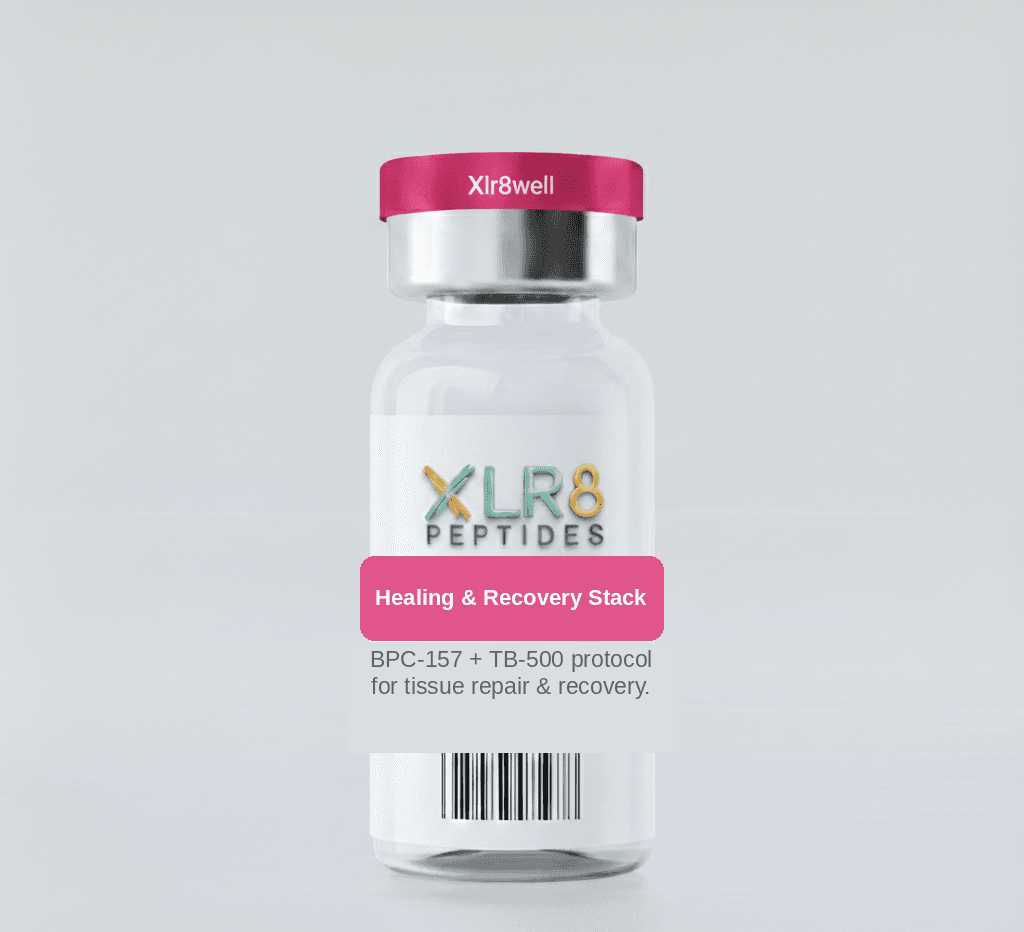
If you are considering BPC-157 as part of your recovery or health optimisation journey in Dubai, starting with a consultation is the right first step. xlr8well provides BPC-157 (15MG) with consultation included, and the Healing & Recovery Stack offers a broader protocol for those with more comprehensive recovery goals. At-home delivery and nurse administration options mean you can access clinically supervised peptide therapy without visiting a clinic.