%2520(350%2520x%2520150%2520px)%2520(90%2520x%252040%2520px)%2520(4).png%3Falt%3Dmedia%26token%3Dbed5580f-de12-4061-ac20-36c16b313f14&w=384&q=75)
Athlete's Performance Profile in Dubai: Price, What's Included & How to Book at Home (2026)
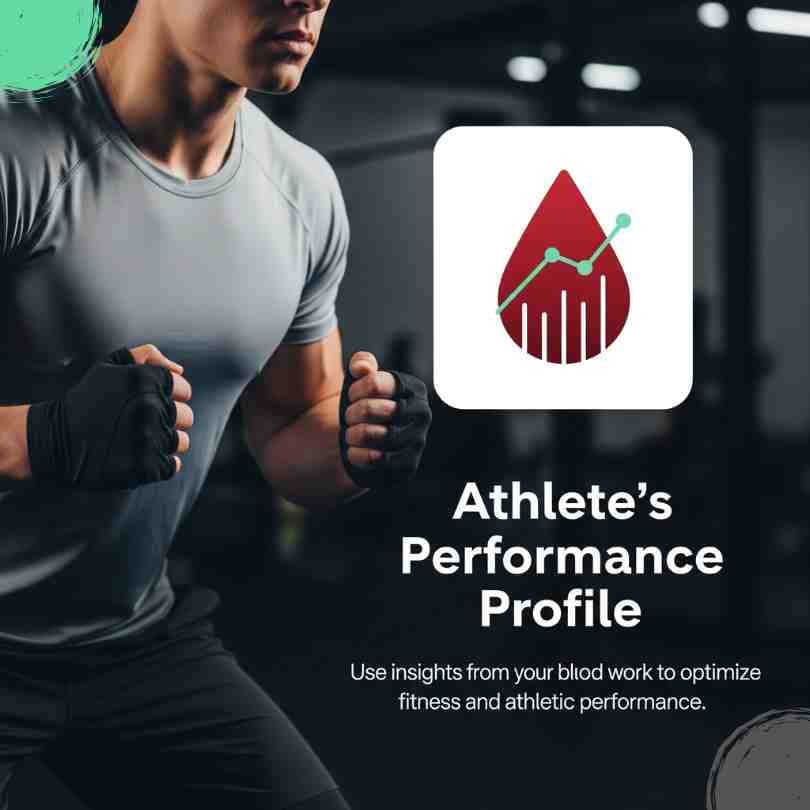
What Is an Athlete's Performance Profile?
An Athlete's Performance Profile is a specialised blood test panel designed to give active individuals — from recreational gym-goers to competitive athletes — a detailed snapshot of the internal biomarkers that directly influence training, recovery, and long-term health. Rather than a standard general health screen, this profile is curated around the physiological demands of sport and exercise, examining hormones, nutrients, metabolic function, and inflammation in a single, convenient draw.
In a city like Dubai, where year-round heat, demanding training schedules, and a fast-paced lifestyle can all place significant stress on the body, understanding what is happening beneath the surface can be genuinely valuable. Many people train hard but plateau, feel persistently fatigued, or recover slowly — and routine observation alone rarely explains why. A targeted blood panel can surface issues that are otherwise invisible.
What Does the Athlete's Performance Profile Test?
While the exact parameters in any panel should be confirmed at the time of booking, an Athlete's Performance Profile typically covers several key physiological categories:
Hormonal Health
Testosterone (total and sometimes free) is one of the most closely watched markers for athletes. It plays a central role in muscle protein synthesis, recovery speed, energy, and motivation. Overtraining, poor sleep, or nutritional deficits can all suppress testosterone levels, even in otherwise healthy individuals. Alongside testosterone, markers such as SHBG (sex hormone-binding globulin) and LH (luteinising hormone) may be included to give a fuller hormonal picture.
Nutritional Status
Common deficiencies that can impair athletic performance include vitamin D, iron, ferritin, vitamin B12, and magnesium. Dubai's predominantly indoor lifestyle — combined with intensive training — means that deficiencies such as low vitamin D or depleted iron stores are not uncommon, even in people who appear otherwise healthy. Identifying a specific nutrient gap is far more actionable than guessing at supplementation.
Inflammation and Recovery Markers
Markers such as high-sensitivity CRP (C-reactive protein) can indicate systemic inflammation. Elevated inflammation is a normal short-term response to hard training, but chronically raised levels may suggest overtraining syndrome, inadequate recovery, or an underlying issue worth investigating. Tracking these figures over time can help guide training load decisions.
Metabolic and Organ Function
A complete blood count (CBC), liver function markers (such as ALT and AST), and kidney function indicators (creatinine, urea) help confirm that the organs responsible for processing the demands of intense exercise are functioning well. Some athletes unknowingly push through early warning signs — fatigue, declining performance, unusual muscle soreness — that blood results can help contextualise.
Blood Sugar and Lipid Markers
Fasting glucose and lipid profiles (total cholesterol, LDL, HDL, triglycerides) round out the picture, particularly relevant for endurance athletes or anyone following a specific dietary protocol such as low-carbohydrate or high-fat eating plans.
Who Should Consider This Profile?
This panel is suited to a broad range of active individuals, including:
- Those who train regularly but feel their progress has stalled without a clear reason
- Athletes returning from injury or illness who want to confirm their body is ready for full training loads
- People experiencing persistent fatigue, disrupted sleep, or prolonged muscle soreness
- Anyone embarking on a new structured training programme or competitive season
- Individuals following restrictive dietary protocols who want to ensure they are not developing deficiencies
- Those simply wanting a detailed, sport-focused baseline for future comparison
It is worth noting that this profile is informational in nature. Results should ideally be reviewed alongside a licensed doctor or sports medicine professional who can interpret findings within the full context of your health history and goals.
Preparing for Your Athlete's Performance Profile
To obtain the most accurate and meaningful results, some preparation is usually recommended:
- Fasting: Many of the markers tested — including glucose, lipids, and certain hormones — are best assessed after an overnight fast of approximately 8–12 hours. Water is generally fine to drink.
- Timing around exercise: It is generally advisable to avoid intense training in the 24–48 hours before your blood draw, as heavy exercise can temporarily elevate markers such as CRP, creatine kinase, and even liver enzymes, which could skew results.
- Hydration: Being well-hydrated makes venepuncture easier and can affect certain haematological values.
- Medication and supplements: Inform your healthcare provider of any supplements or medications you are taking, as some can influence test results.
If you are unsure about preparation, the xlr8well team can advise you at the time of booking.
How At-Home Testing Works in Dubai
xlr8well offers the Athlete's Performance Profile as a fully at-home service across Dubai, carried out by DHA-licensed healthcare professionals. The process is straightforward:
- Book online or via WhatsApp at a time that suits you — same-day and next-day appointments are often available.
- A DHA-licensed professional visits your home (or another preferred location), typically taking around 15–20 minutes for the blood collection itself.
- Your sample is processed by a certified laboratory, and results are delivered securely to your private xlr8well dashboard.
- Doctor review can be added to your booking if you would like a licensed clinician to walk you through your results and what they mean for your training.
The home visit is included in the price — there are no additional travel or collection fees.
Athlete's Performance Profile Price in Dubai (2026)
The Athlete's Performance Profile is priced at AED 550, inclusive of the home visit anywhere in Dubai. There are no hidden charges — the quoted price covers the professional visit, sample collection, laboratory analysis, and results delivery to your dashboard.
Understanding Your Results
Receiving your results is just the beginning. The real value lies in understanding what they mean and how to act on them. Some key principles to keep in mind:
- Reference ranges on laboratory reports represent population averages — what is "normal" for a sedentary individual may not be optimal for an athlete training multiple times per week.
- A single snapshot is useful, but tracking the same markers over time — particularly across training cycles or seasons — adds considerably more value.
- Results should always be interpreted in conjunction with symptoms, lifestyle, and clinical assessment. A figure outside the reference range does not automatically indicate a problem, and a figure within range does not guarantee everything is optimal.
If you have any concerns about your results, consult a licensed doctor. In the case of any medical emergency, call 999.
Safety and Limitations
Blood testing is a very low-risk procedure when performed by qualified professionals. Minor bruising or discomfort at the venepuncture site is possible but generally resolves quickly. As with all health screening, this profile is not a diagnostic tool — it provides data to inform decisions, not definitive clinical diagnoses. Abnormal results should prompt a follow-up conversation with a licensed healthcare professional rather than self-treatment.
Related Services
If you are exploring your options, xlr8well offers a broad range of At-Home Blood Testing panels. You may also wish to compare with the STD Advanced (73 parameters) panel or the Women's Essential Weight Loss Panel, depending on your individual health priorities.