%2520(350%2520x%2520150%2520px)%2520(90%2520x%252040%2520px)%2520(4).png%3Falt%3Dmedia%26token%3Dbed5580f-de12-4061-ac20-36c16b313f14&w=384&q=75)
Longevity Medicine Explained: Biohacking, Peptides, NAD+, and What Actually Works

Medically reviewed by Dr. Sohaib Ali, Medical Director, DHA licence 10441205-001.
Longevity medicine is a preventive, data-led approach to health that aims to extend not just lifespan but healthspan — the years you stay healthy and active — by measuring your body's markers and acting on them early. It overlaps with "biohacking," draws on tools like peptide therapy and NAD+, and is built on wearables, diagnostics, and a clinician's reading of your individual data. This guide separates what the terms actually mean, and what the evidence does and doesn't support, from the hype that surrounds them.
What is longevity medicine?
Conventional medicine mostly treats illness once it appears. Longevity medicine tries to get ahead of it: track your biomarkers, fitness, sleep, and other measures over time, spot trends before they become problems, and intervene early with evidence-based changes. The goal is healthspan — keeping you functioning well for longer — not chasing a magic number for lifespan.
It's a framework, not a single product. At its core are four practical pillars, and everything else (peptides, NAD+, supplements) sits on top of them — never instead of them.
What is biohacking — and what does it actually mean?
"Biohacking" is a broad, informal term for using measurement and targeted changes to improve how your body and mind function. In practice it ranges from the sensible and well-supported (tracking your sleep, optimising nutrition, structured exercise, managing stress) to the experimental and unproven (exotic supplements, unregulated compounds, gadgets with thin evidence).
The useful distinction is between evidence-backed biohacking — the basics, done consistently and measured — and trend-chasing, which is where most money is wasted and some risk is taken. A good longevity approach is mostly the former: the unglamorous fundamentals, tracked properly, with a clinician keeping the experimental stuff honest.
The four pillars of a longevity approach
- Measurement. You can't improve what you don't track. This means periodic blood tests and biomarker panels plus continuous data from wearables — turning vague intentions into a baseline and a trend.
- Recovery and sleep. The most under-rated lever. Sleep quality and recovery drive almost everything else.
- Nutrition. Sustained, individualised nutrition beats any supplement stack.
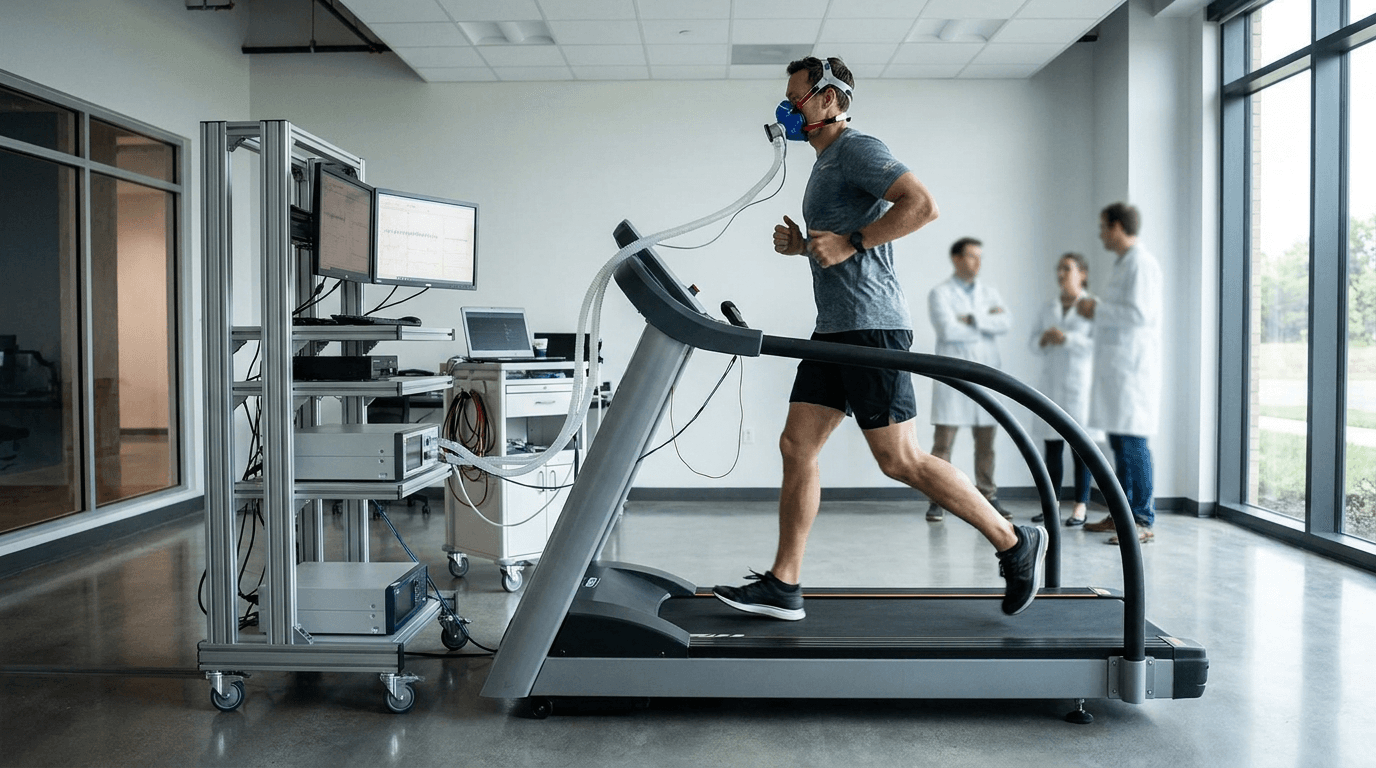
- Movement. Strength and cardiovascular fitness — VO2 max is one of the strongest predictors of long-term health.
Get these right and tracked, and you've done the majority of what longevity medicine can offer. The interventions below are additions for the right person, decided by a clinician — not substitutes for the pillars.
What are peptides? (And what peptide therapy is — and isn't)
This is the most confused topic in the space, because "peptides" means three very different things:
- Therapeutic peptides — short chains of amino acids used, under medical supervision, to support specific health, recovery, or longevity goals. This is what "peptide therapy" refers to as a clinical service.
- Collagen peptides — a dietary supplement (powders, drinks) marketed for skin, hair, and joints. A food supplement, not a clinical therapy.
- Peptide blood tests — diagnostic tests such as the cyclic citrullinated peptide (CCP) test used in rheumatoid arthritis, or the C-peptide test related to diabetes. These are lab tests, not treatments.
When this article says "peptide therapy," it means the first — clinician-supervised therapeutic peptides, not a supplement you buy or a blood test.
Do peptides work? For specific, clinically indicated uses under supervision, some therapeutic peptides have a genuine role. For general "anti-ageing" use in healthy people, the evidence is still developing and far from settled — claims often run ahead of the data. A reputable clinician will be honest about that.
Are peptides legal / safe? Legitimate peptide therapy is prescribed and supervised by a licensed clinician, within regulations. Many peptides sold online are unregulated "research" compounds not approved for human use; self-sourcing and self-administering them is risky and may be unlawful. The safe and lawful route is always clinician-led — which is the only way we offer it. You can read our approach on the peptide therapy in Dubai page.
What is NAD+ therapy?
NAD+ (nicotinamide adenine dinucleotide) is a coenzyme your cells use to produce energy and run repair processes, and levels decline with age. NAD+ therapy — often given as an IV drip — aims to support energy and cellular health, and it's a popular component of longevity programmes.
The honest status mirrors peptides: research is active and interesting, but robust long-term human evidence is still limited. Treat NAD+ as one supervised, monitored tool within a programme, not a standalone fix.
How wearables turn data into decisions
The thread connecting all of this is measurement. Wearables track sleep, heart rate, heart-rate variability, activity, and recovery continuously; periodic bloodwork fills in what wearables can't see. Combined into a single view — and, in our case, a health score with a clinician's interpretation — that data is what turns "I should be healthier" into specific, trackable actions. Data without interpretation is noise; the value is a clinician reading your trends and adjusting the plan.
A measured approach beats chasing trends
The longevity field is loud, and a lot of it is selling. The approach that actually works is unglamorous: nail the four pillars, measure consistently, and add interventions like peptides or NAD+ only where a clinician judges them appropriate for you — monitored, and dropped if they're not helping. That's the difference between a longevity programme and a pile of expensive trends.
Longevity glossary
- Healthspan: the years of life spent in good health, as distinct from total lifespan. The real target of longevity medicine.
- Longevity medicine: a preventive, data-led approach that tracks biomarkers and intervenes early to extend healthspan.
- Biohacking: using measurement and targeted changes to improve how the body and mind function; ranges from evidence-based basics to unproven experiments.
- Peptide therapy: clinician-supervised use of therapeutic peptides (short amino-acid chains) for specific health, recovery, or longevity goals.
- NAD+: a coenzyme involved in cellular energy and repair that declines with age; sometimes given by IV in longevity programmes.
- Biomarker: a measurable indicator of a biological state (e.g. a blood marker), used to establish a baseline and track trends.
- VO2 max: a measure of cardiovascular fitness and one of the strongest predictors of long-term health.
How to start with longevity medicine
You don't start with peptides or drips — you start with a baseline. The first step is measurement: a proper read of your biomarkers plus your wearable data, interpreted by a clinician, to see where you actually are. From there, the plan is built on the pillars first, with any interventions added only where they fit. Our free family health review is exactly that starting point — a clinician-informed baseline, not a sales pitch for a protocol.
Frequently asked questions
What is longevity medicine?
A preventive, data-led approach that tracks your biomarkers, fitness, and other measures over time to extend healthspan — the years you stay healthy — by intervening early, rather than only treating illness after it appears.
What is biohacking?
Using measurement and targeted changes to improve how your body and mind function. It spans evidence-based basics (sleep, nutrition, exercise, tracking) and experimental, unproven interventions — the basics are where the real value is.
What are peptides?
"Peptides" can mean three different things: therapeutic peptides (used under medical supervision), collagen peptides (a dietary supplement), and peptide blood tests (diagnostic lab tests). Peptide therapy refers to clinician-supervised therapeutic peptides.
What is peptide therapy?
The clinician-supervised use of therapeutic peptides for specific health, recovery, or longevity goals — assessed, monitored, and only offered where clinically appropriate.
Do peptides work?
For specific, clinically indicated uses under supervision, some have a genuine role. For general anti-ageing use in healthy people, the evidence is still developing — claims often outrun the data.
Are peptides legal and safe?
Legitimate peptide therapy is prescribed and supervised by a licensed clinician, within regulations. Many peptides sold online are unregulated compounds not approved for human use; self-sourcing them is risky and may be unlawful. The safe route is always clinician-led.
What is NAD+ therapy?
NAD+ is a coenzyme involved in cellular energy and repair that declines with age. NAD+ therapy, often given by IV, aims to support energy and cellular health; long-term human evidence is still developing, so it's best used within a supervised programme.
How do I start with longevity medicine?
Start with measurement — a baseline of your biomarkers and wearable data, interpreted by a clinician — then build a plan on the fundamentals first, adding interventions only where they fit.
References
Authoritative sources for the clinical points in this guide. Reference ranges and individual advice vary; always follow your own clinician.
- Longevity biotechnology: bridging AI, biomarkers, geroscience and clinical applications for healthy longevity — Aging (2024) — on healthspan, geroscience and longevity medicine.
- Al Musaimi, Journal of Peptide Science (2024) — FDA-approved therapeutic peptides — on therapeutic peptides as regulated, clinician-prescribed medicines.
- Clinical Evidence for Targeting NAD Therapeutically (PMC) — on the developing state of NAD+ evidence.
Want a clinician-read baseline to start from? Book a free family health review — your real numbers first, a plan second.