%2520(350%2520x%2520150%2520px)%2520(90%2520x%252040%2520px)%2520(4).png%3Falt%3Dmedia%26token%3Dbed5580f-de12-4061-ac20-36c16b313f14&w=384&q=75)
Physical Therapy for Children in Dubai: Price, What's Included & How to Book at Home (2026)
What is Paediatric Physical Therapy?
Paediatric physical therapy (also called paediatric physiotherapy) is a specialist branch of rehabilitation focused on helping children develop, recover, or refine their physical movement and motor skills. Unlike adult physiotherapy, which typically addresses injury or post-surgical recovery, paediatric physiotherapy centres on the building blocks of childhood movement — how a child sits, rolls, crawls, stands, walks, runs, jumps, and interacts physically with the world around them.
Children with autism spectrum disorder (ASD), developmental delays, neurological conditions, hypotonia (low muscle tone), or coordination difficulties often benefit significantly from structured paediatric physiotherapy. These children may reach gross motor milestones later than their peers, or they may develop movement patterns that, without early support, can become harder to address over time. A tailored physical therapy programme aims to close those gaps in a way that is structured, evidence-informed, and — crucially — enjoyable for the child.
In Dubai, paediatric physical therapy can now be delivered at home by DHA-licensed professionals, meaning your child works in their most comfortable and familiar environment rather than an unfamiliar clinic setting. xlr8well provides this service across Dubai, including at Bloom Autism Center in Al Barsha for families who prefer a centre-based option.
Who May Benefit from Physical Therapy for Children?
Paediatric physiotherapy is not limited to children with a specific diagnosis. A wide range of children may benefit, including those who:
- Have received a diagnosis of autism spectrum disorder (ASD) and present with motor difficulties.
- Show delayed gross motor milestones — for example, delayed sitting, crawling, walking, or running.
- Have low muscle tone (hypotonia), which can affect posture, endurance, and coordination.
- Demonstrate persistent toe walking, which is relatively common in children with ASD.
- Struggle with balance, spatial awareness, or motor planning (the ability to plan and execute sequences of movement).
- Have been diagnosed with developmental coordination disorder (DCD), sometimes called dyspraxia.
- Are recovering from orthopaedic issues or have a condition affecting their musculoskeletal system.
- Simply seem to tire more quickly than peers during physical activity or avoid active play.
If you are unsure whether physical therapy is appropriate for your child, a paediatric assessment session can help clarify whether therapy is indicated and what a realistic programme might look like. It is always advisable to discuss your child's needs with their paediatrician or treating doctor as well.
How Does a Paediatric Physical Therapy Session Work?
The Initial Assessment
The first session is primarily an assessment. The therapist will evaluate your child's gross motor skills, observing muscle tone, balance, coordination, gait patterns, posture, and where your child sits relative to age-appropriate developmental milestones. Parents and caregivers are encouraged to share observations from daily life — how the child moves at home, what activities they find difficult or avoid, and any previous assessments or reports from other professionals.
At the end of the first session, you will typically receive a written summary of findings, a set of clear, measurable goals, and a recommended session plan. This transparency helps families understand what the therapy is working towards and how progress will be monitored over time.
Ongoing Sessions
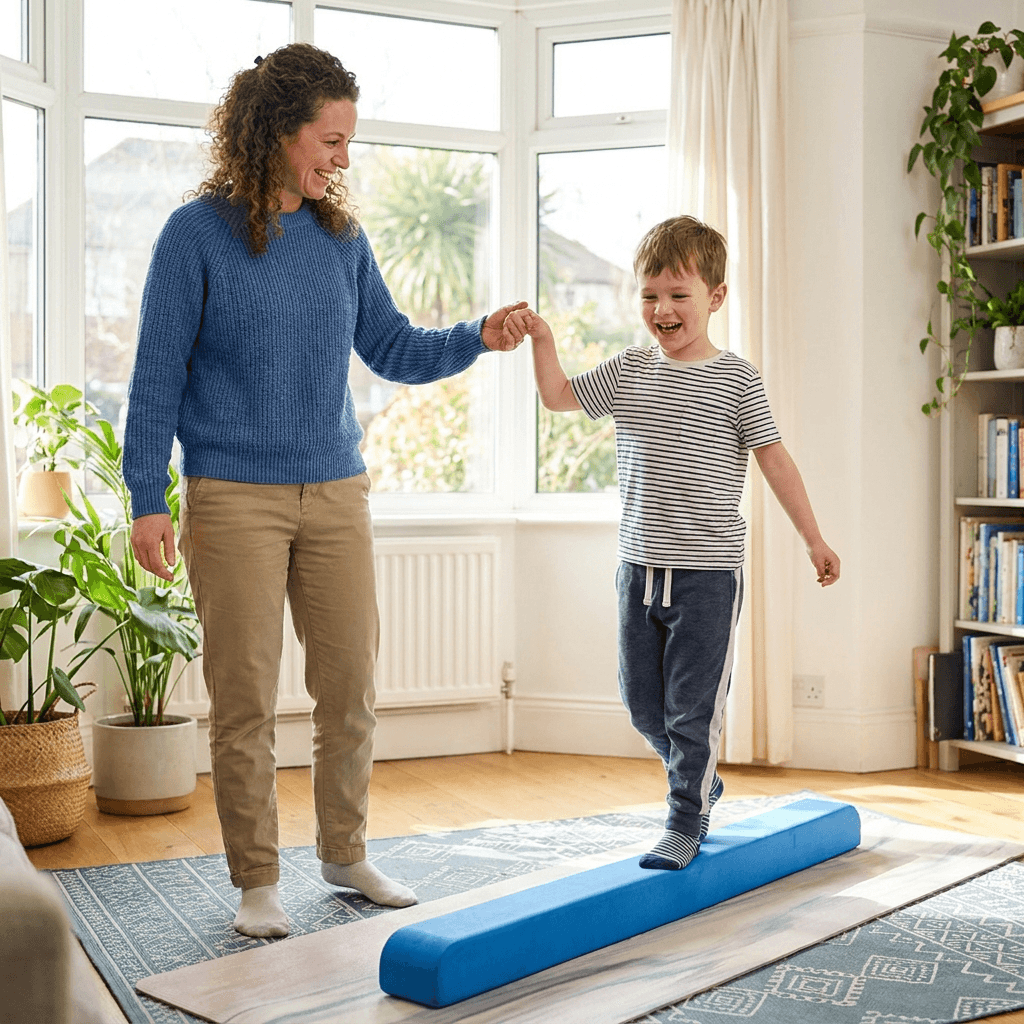
Subsequent sessions work towards the goals established in the assessment. Paediatric physiotherapists use play-based methods — obstacle courses, ball skills, balance challenges, jumping games, and movement stories — so that children experience the work as enjoyable activity rather than formal exercise. This approach is particularly important for children with autism, who may be sensitive to new environments or structured demands, and who respond well when therapeutic goals are embedded in familiar, rewarding play.
Sessions typically include:
- Targeted exercises to build core strength and postural stability.
- Balance and coordination activities scaled to the child's current level.
- Gait training and movement pattern refinement where needed (for example, addressing toe walking).
- Motor planning activities that challenge the child to sequence and organise movements.
- A home exercise component — simple activities the family can weave into daily play routines between sessions.
The Role of the Family
A distinctive strength of home-based therapy is that parents and siblings are naturally present and can be incorporated into the session. The therapist can demonstrate home exercises in the actual spaces where the child plays and lives, making it far more likely that families will carry them out consistently. Consistent daily practice between sessions can meaningfully support progress, though the therapist will set realistic and manageable expectations based on each family's circumstances.
Why At-Home Physical Therapy in Dubai?
Dubai's climate and pace of life mean that travelling to appointments can be a genuine challenge, particularly for families managing multiple children or complex schedules. For children with sensory sensitivities or anxiety, unfamiliar clinic environments can sometimes interfere with engagement and progress. At-home delivery removes the travel burden and allows the child to work in their own space, often leading to more natural, relaxed participation.
All xlr8well therapists are DHA-licensed, meaning they meet the regulatory standards set by the Dubai Health Authority for practising in the emirate. Sessions can be booked online or via WhatsApp, with same-day and next-day slots often available. Session notes and progress reports are accessible through a private client dashboard, and a doctor review can be added if needed.
Key Benefits of Paediatric Physical Therapy
- Comprehensive gross motor assessment with clear, measurable milestone goals.
- Builds core strength, balance, coordination, and motor planning over time.
- Game-based sessions designed to keep children engaged and motivated.
- Supports a wide range of delayed milestones: sitting, crawling, walking, jumping, and ball skills.
- Daily home exercise plan the whole family can carry out through play.
- Delivered at home by DHA-licensed paediatric physiotherapists, anywhere in Dubai.
What to Expect Over Time
Progress in paediatric physiotherapy is gradual and varies between children depending on their starting point, the nature of their condition, how consistently the home programme is carried out, and other factors such as concurrent therapies. It is realistic to expect that meaningful change takes weeks to months rather than a small number of sessions. Therapists will review goals at regular intervals and adjust the programme as the child progresses.
Physical therapy works best as part of a broader support plan. For children with autism, it often complements speech and language therapy, occupational therapy, and behavioural or developmental therapy, each addressing a different dimension of the child's development. Your paediatric physiotherapist can liaise with other members of your child's support team where appropriate.
Safety and Important Considerations
Paediatric physical therapy delivered by a qualified, licensed physiotherapist is generally considered safe for children across a wide age range. That said, there are a few points worth noting:
- Always share your child's full medical history, including any cardiac, orthopaedic, or neurological conditions, with the therapist before sessions begin.
- If your child is in acute pain or has a new injury or sudden change in movement, consult a doctor before proceeding with therapy.
- Physical therapy is not a cure for any condition. It is a supportive intervention that may improve function and quality of life.
- In cases of medical emergency, call 999 immediately.
Physical Therapy for Children: Pricing in Dubai (2026)
- Single Session — AED 400
- 8-Session Programme (Save 10%) — AED 2,880 (AED 360 per session)
The price includes the home visit to any location in Dubai — there are no additional travel or hidden fees. For families who prefer a centre-based option, sessions are also available at Bloom Autism Center in Al Barsha.
How to Book at-Home Physical Therapy in Dubai
Booking is straightforward: visit the xlr8well website or reach out via WhatsApp, select your preferred date and time, and a DHA-licensed paediatric physiotherapist will come to your home. Same-day and next-day appointments are typically available. After each session, notes and progress updates are added to your secure xlr8well dashboard so you always have a clear record of your child's progress.
Related Services
Browse all Autism Therapy & Treatments services, or explore complementary options including Speech & Language Therapy and Behavioural & Developmental Therapies (ABA).