%2520(350%2520x%2520150%2520px)%2520(90%2520x%252040%2520px)%2520(4).png%3Falt%3Dmedia%26token%3Dbed5580f-de12-4061-ac20-36c16b313f14&w=384&q=75)
Longevity Supplements Ranked by Evidence (2026 Edition)

Why "Evidence-Ranked" Matters More Than Ever
Walk into any pharmacy or scroll any wellness feed in Dubai and you will find shelves — and screens — loaded with supplements promising longer life, sharper cognition, and slower ageing. Most carry compelling packaging and almost none carry compelling human evidence. This guide cuts through that noise by sorting the most-discussed longevity compounds into three evidence tiers, so you can make genuinely informed decisions rather than expensive guesses.
One important framing note before the tiers: no supplement has been proven to extend human lifespan in a controlled trial. What good supplements can do is correct a deficiency, support a biological process that declines with age, or move a measurable marker in a favourable direction. That is a meaningful, worthwhile goal — it just is not immortality in a capsule.
Tier 1 — Strong Evidence: Take If Tested Low
These three supplements share a critical quality: their benefits are measurable, their mechanisms are well understood, and the research base in humans is comparatively robust. Crucially, all three can be monitored with standard blood or index tests.
Vitamin D
Vitamin D deficiency is strikingly common across the UAE, despite — or partly because of — abundant sunshine. Air-conditioned indoor living, sun-protective clothing, and high melanin levels all reduce cutaneous synthesis. Deficiency is associated with impaired immune function, reduced bone density, and a range of metabolic concerns, all of which matter acutely as we age.
The key principle is to dose to your blood level, not to a number on a packet. A 25-OH vitamin D serum test will tell you where you actually stand. Many functional medicine practitioners aim for a level somewhere in the upper-normal range, though you should discuss your personal target with a licensed doctor. Taking a standard dose without testing is a common error — some people need very little supplementation, others need considerably more.
Omega-3 (Target an 8% Omega-3 Index)
The omega-3 index — the percentage of EPA and DHA in red blood cell membranes — is a measurable, validated marker of cardiovascular and cellular health. An index below 4% is considered a risk zone; most longevity-focused clinicians consider 8% or above a reasonable target. Because the typical UAE diet is relatively low in oily cold-water fish, many residents test lower than they might expect.
Unlike simply taking a daily fish oil capsule and hoping for the best, targeting an 8% index gives you a concrete, testable goal. Retest after three to four months of consistent supplementation and adjust dose accordingly. Quality matters: look for products with independently verified EPA and DHA content and low oxidation levels.
Creatine
Creatine is perhaps the most evidence-backed ergogenic supplement in existence, with decades of safety data and consistent findings around muscle mass, strength, and exercise recovery. What is increasingly interesting from a longevity perspective is the emerging — though still preliminary — research suggesting cognitive benefits, particularly in older adults and in contexts of sleep deprivation or metabolic stress.
A standard maintenance dose of around 5 g daily is widely used. Creatine is naturally found in red meat and fish, so vegetarians and those eating lower amounts of animal protein may have more to gain from supplementation. It is one of the few supplements where the evidence-to-cost ratio is genuinely hard to fault.
Tier 2 — Promising: Reasonable Bets With Encouraging Data
Tier 2 compounds have a plausible mechanism, growing human trial data, and a reasonable safety profile — but the evidence base is not yet as definitive as Tier 1. They are worth considering, particularly if relevant biomarkers or symptoms suggest a need.
NAD+ Precursors (NMN and NR)
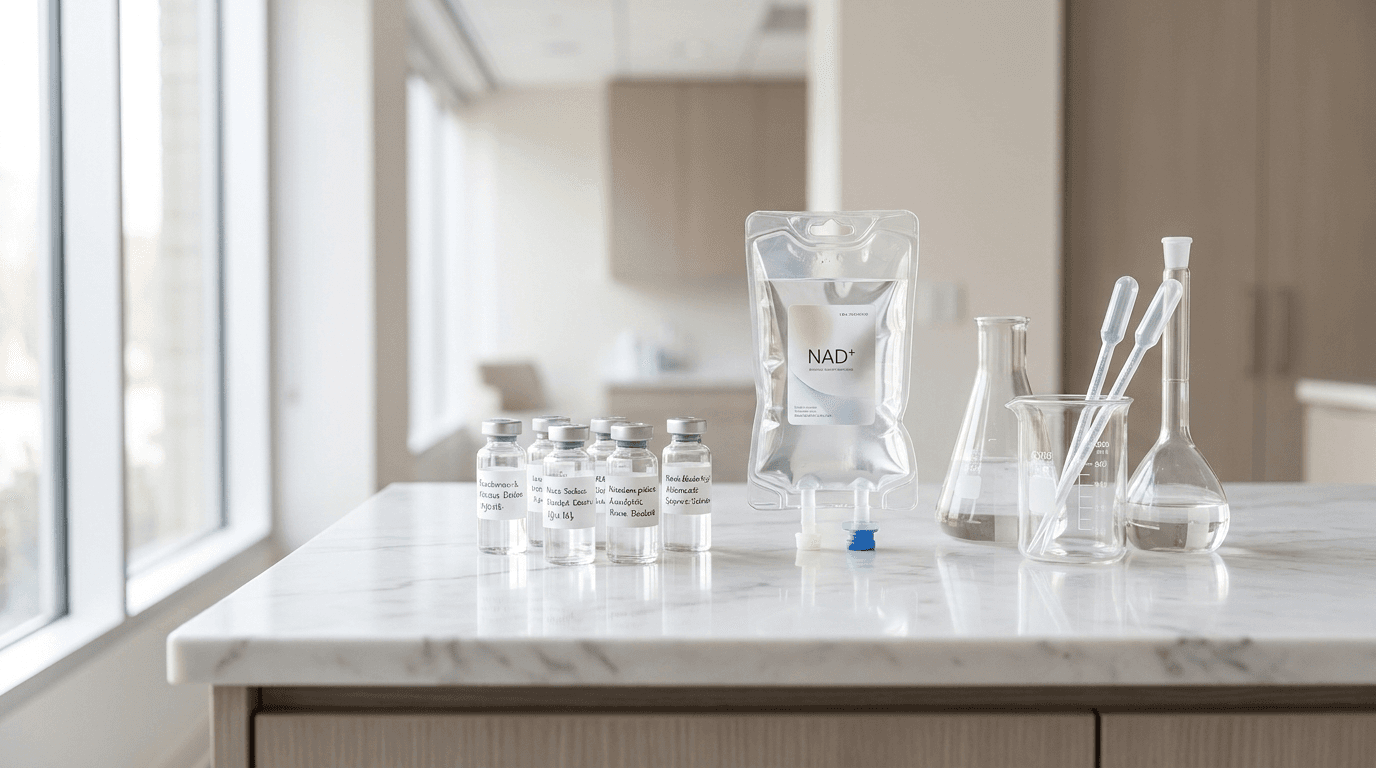
NAD+ (nicotinamide adenine dinucleotide) is a coenzyme central to cellular energy production and DNA repair. Levels decline with age, and this decline has attracted significant scientific interest. Oral precursors such as NMN (nicotinamide mononucleotide) and NR (nicotinamide riboside) are the most widely studied methods of raising NAD+ levels. Human trials have demonstrated that these compounds can raise blood NAD+ levels; whether that translates into meaningful longevity or functional outcomes is still being investigated.
Periodic intravenous NAD+ loading — available as an at-home drip through providers such as xlr8well — may offer more direct and rapid elevation of levels than oral supplementation, though both approaches have their place depending on individual goals and lifestyle.
Glycine + NAC (GlyNAC)
This combination targets glutathione, one of the body's primary endogenous antioxidants, which declines with age. Glycine and N-acetylcysteine (NAC) are both precursors to glutathione synthesis. Some human trials in older adults have shown improvements in markers of oxidative stress, mitochondrial function, and physical strength. The data is genuinely encouraging, though more and larger trials are needed. The combination is generally well tolerated and relatively inexpensive.
Fibre and Psyllium Husk
Psyllium husk is, as the draft rightly notes, perhaps the least glamorous entry on any longevity list — and one of the best-supported. A large and consistent body of evidence links higher dietary fibre intake to reduced cardiovascular risk, better glycaemic control, healthier gut microbiome diversity, and lower all-cause mortality risk. Fibre intake across the UAE is commonly below recommended levels. If your diet is not already rich in vegetables, legumes, and whole grains, a daily psyllium supplement is a low-cost, high-value addition.
Tier 3 — Interesting But Unproven: Proceed With Realistic Expectations
Tier 3 is not a list of scams — it is a list of compounds where the early science was exciting but human outcome data has not yet caught up, or where effects are modest and variable.
Resveratrol is the canonical example. Early animal studies and mechanistic research generated enormous excitement. Human clinical trials have been largely disappointing in terms of hard outcomes. It may have a mild antioxidant effect, and it is not considered harmful at typical doses, but it should not be the centrepiece of any serious supplement stack. Most proprietary "anti-ageing blend" products fall into this tier by default — attractive branding does not substitute for controlled human trial data.
The Principle That Beats Every List
The most important concept in evidence-based supplementation is this: supplements should correct a measured deficiency or move a measured marker. Without a baseline test, you are guessing. Without a follow-up test, you have no idea whether what you are taking is working. A biomarker panel — covering vitamin D, omega-3 index, inflammatory markers, metabolic health, and other relevant parameters — before and after an intervention is the only honest way to evaluate your personal response.
This is not an abstract principle. Half of the longevity supplement stacks people are taking in Dubai target things they are not actually deficient in. Testing first saves money, prevents unnecessary supplementation, and occasionally reveals a genuine gap that would otherwise go unaddressed.
Practical Considerations for Residents in the UAE
A few factors make the UAE context distinct. The extreme heat, high UV index outdoors, and prevalence of indoor air-conditioned environments create an unusual pattern of sun exposure that affects vitamin D synthesis in ways that differ from cooler climates. Diet patterns vary enormously across the UAE's diverse population, and access to oily fish, high-fibre foods, and quality protein differs by household. Baseline testing is particularly valuable here because assumptions drawn from population studies in Europe or North America may not apply directly.
xlr8well offers at-home longevity assessments and IV supplementation across Dubai, allowing you to test, supplement, and retest without clinic visits — a practical option given busy schedules and the logistical realities of urban UAE life. As always, discuss any new supplement regimen with a licensed doctor, particularly if you have existing health conditions or take prescription medications.
A Note on Safety
The supplements discussed in this article are generally considered safe at typical doses for healthy adults, but "natural" does not mean "risk-free." Some compounds interact with medications — NAC, for example, can interact with certain drugs, and high-dose omega-3 may affect bleeding time. If you are pregnant, breastfeeding, managing a chronic condition, or taking regular medication, always consult a licensed healthcare professional before starting any new supplement. In any medical emergency, call 999.
Where to Go Next
If you are ready to move from guessing to testing, a structured longevity assessment at home is a sensible first step. Understand your baseline, identify genuine gaps, and build a supplement strategy around evidence rather than marketing.